
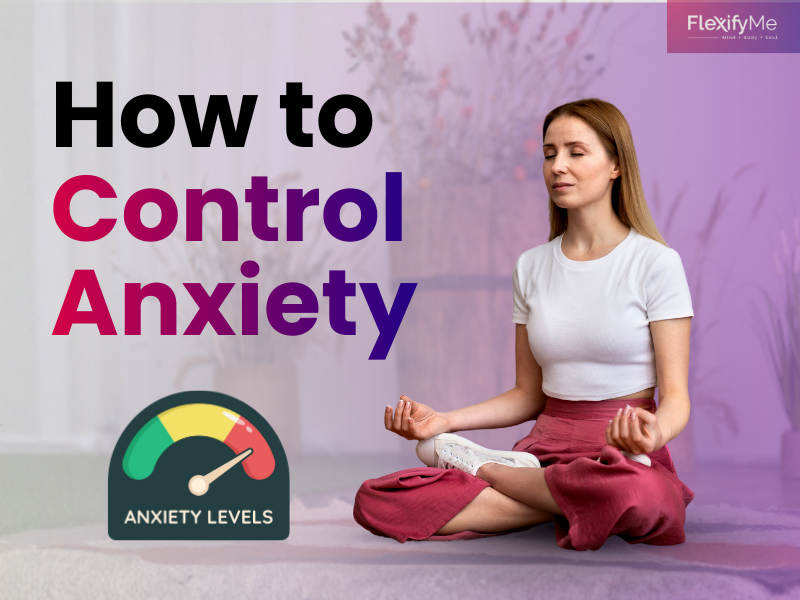

Anxiety shows up fast. Tight chest. Busy head. That jumpy feeling in your stomach for no clear reason. You are not broken, and you are not alone. Anxiety is your body’s alarm trying a bit too hard to protect you. With a few steady habits, you can turn the volume down.
This guide keeps things practical and kind. Read it, pick one or two ideas, try them for a week, and build from there.
What Is Anxiety? (A Simple Explanation)
Think of anxiety as a smoke alarm. It is meant to warn you when something is off. Helpful in real danger. Unhelpful when it goes off while you are making toast. Our goal is not to smash the alarm. It is to tune it, so it rings when needed and rests when life is normal. One way to picture this is a volume knob.
Stress, poor sleep, caffeine, and scary thoughts turn it up. Steady routines, calmer breathing, and kinder self-talk turn it down. The alarm is part of you, not the whole of you. When you learn your triggers and your early signals, you can act sooner, breathe slower, and guide the system back to steadiness.
Common Symptoms of Anxiety
- Restless energy you cannot shake
- Racing thoughts or blank focus
- Short, shallow breaths or a fast heartbeat
- Tight jaw, stiff shoulders, uneasy stomach
- Snappy mood, poor sleep, avoidance of plans
Types of Anxiety Disorders (kept because readers often search this)
- Generalised anxiety
- Panic disorder
- Social anxiety
- Specific phobias
- Health anxiety
- Obsessive-compulsive disorder
- Post-traumatic stress condition
Only a qualified professional can diagnose. The ideas below help many people, but do seek support if symptoms are heavy or long-lasting.
What Causes Anxiety?
Usually, it is a mix. Life pressure. Body chemistry. Old habits. Fearful thinking. Learn your personal mix, and your plan gets smarter. For some, poor sleep, caffeine, and sugar spike the body first. For others, hormones, past stress, or a family pattern set a higher baseline. Blood-sugar dips, dehydration, and long gaps between meals can nudge the system too.
So can social media, constant news, and tight deadlines. Perfectionism adds fuel. So does saying yes when you need a boundary. Certain medicines and pain can also raise symptoms. Track your week. Note sleep, food, stress, screens, and thoughts. Patterns appear. Once you see them, you can change one lever at a time and reduce the load.
Lifestyle & Environmental Triggers
- Work overload and constant urgency
- Too little sleep or odd hours
- Money or family stress
- Big changes, even the good ones
- Noise, news, endless scrolling
Biological & Hormonal Factors
- Family history and genetics
- Thyroid issues or hormonal shifts
- Blood sugar swings, caffeine spikes
- Medication side effects or health problems
Emotional & Thought-Based Triggers (Overthinking)
- Predicting disaster
- All-or-nothing thinking
- Guessing what others think of you
- Harsh self-talk and perfection rules
How to Control Anxiety Naturally (Science-Backed Methods)
Small steps work best. Pick two ideas. Practise daily. Review in two weeks. Keep what helps. Drop what does not.
1. Practice Deep Breathing Techniques
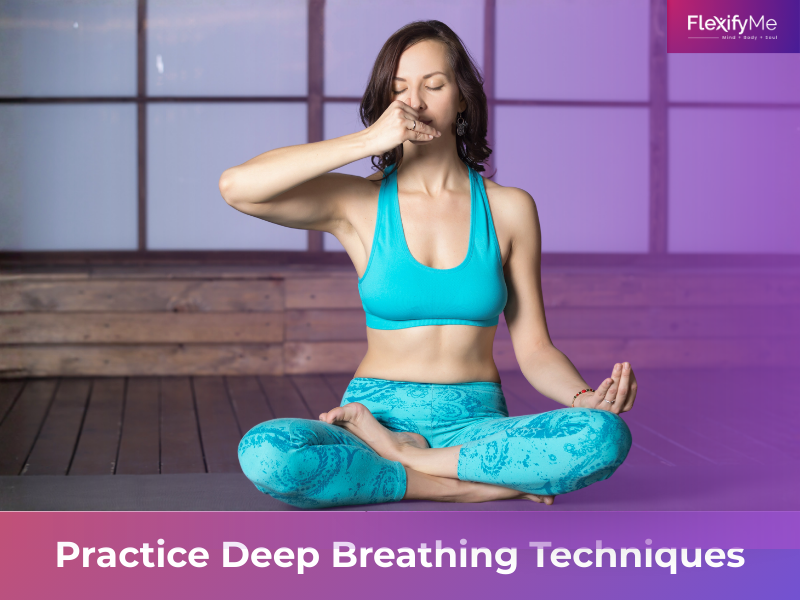
Slow breathing tells your nervous system, “safe now.” Try this: in through the nose for four, out through the mouth for six. Relax the jaw. Soften the shoulders. Do two minutes before calls, in the lift, or at 3 a.m. when your brain wants to chat.
2. Use Simple Meditation & Mindfulness Exercises
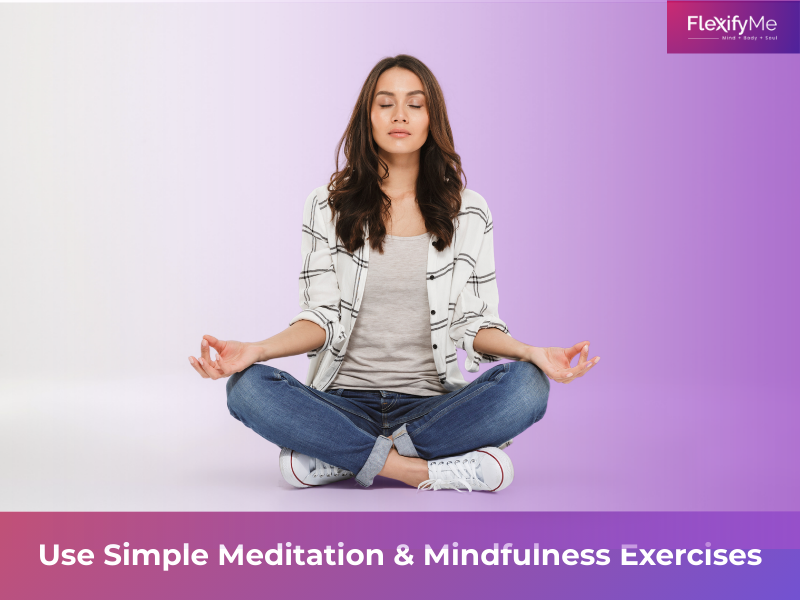
Five quiet minutes. Sit, notice your breath, notice the chair under you, the sounds in the room. Thoughts will wander. That is fine. Gently bring them back. The win is the return, not the perfect stillness.
3. Try the Best Yoga Poses for Anxiety Relief
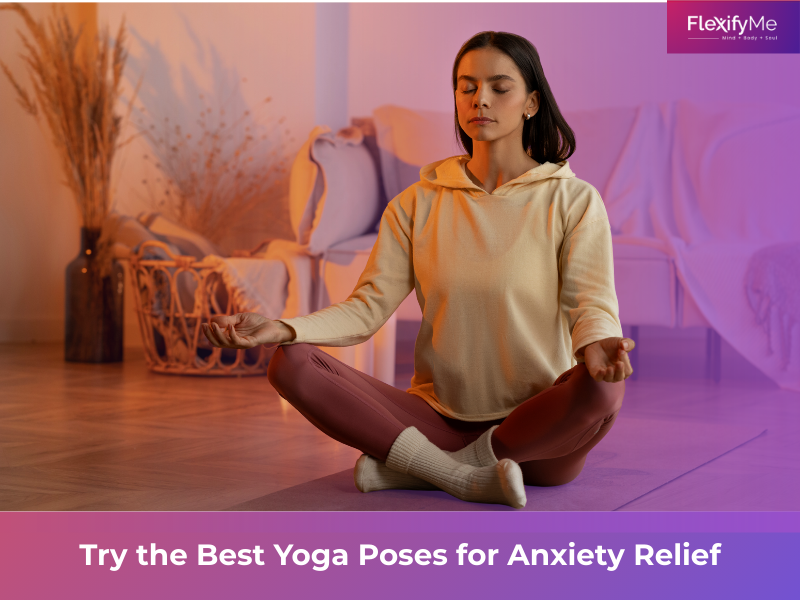
Low and slow helps. Child’s pose, cat–cow, legs up the wall, a gentle forward fold. Hold each for a few breaths. Skip tricky balance work on rough days. Floor poses calm the system without drama.
4. Improve Your Sleep Routine
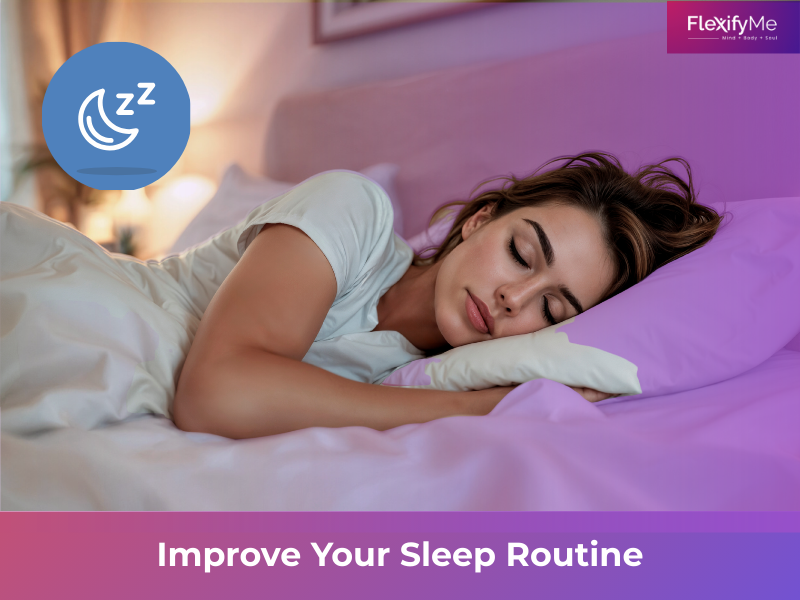
Sleep and anxiety chase each other in circles. Set a simple wind-down: dim lights an hour before bed, lighter dinners, and the same sleep and wake times. If you cannot sleep after twenty minutes, get up, read something calm, and return when sleepy.
5. Eat Foods That Reduce Anxiety
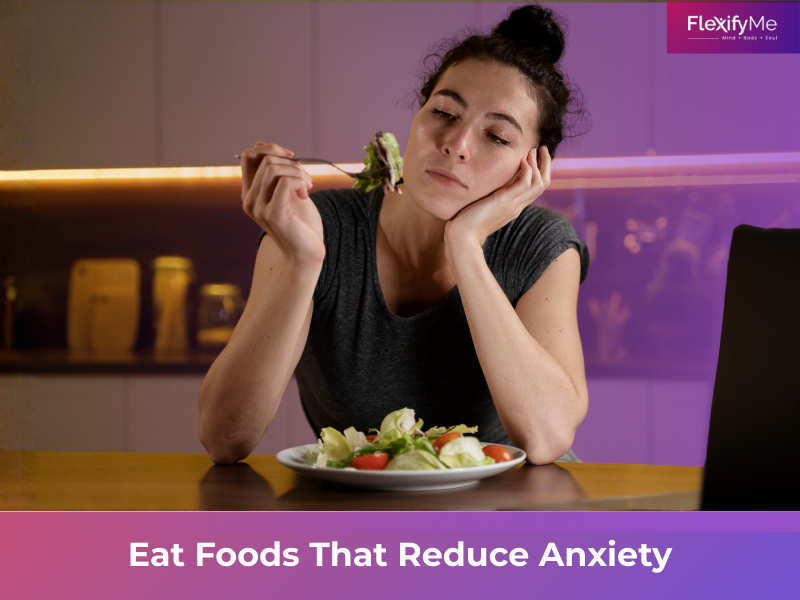
Steady energy steadies mood. Build meals with protein, fibre, and healthy fats. Porridge with nuts. Lentil soup. Fish or tofu with vegetables. Leafy greens add magnesium. Keep a bottle of water nearby and actually drink it.
6. Reduce Caffeine, Sugar & Processed Foods
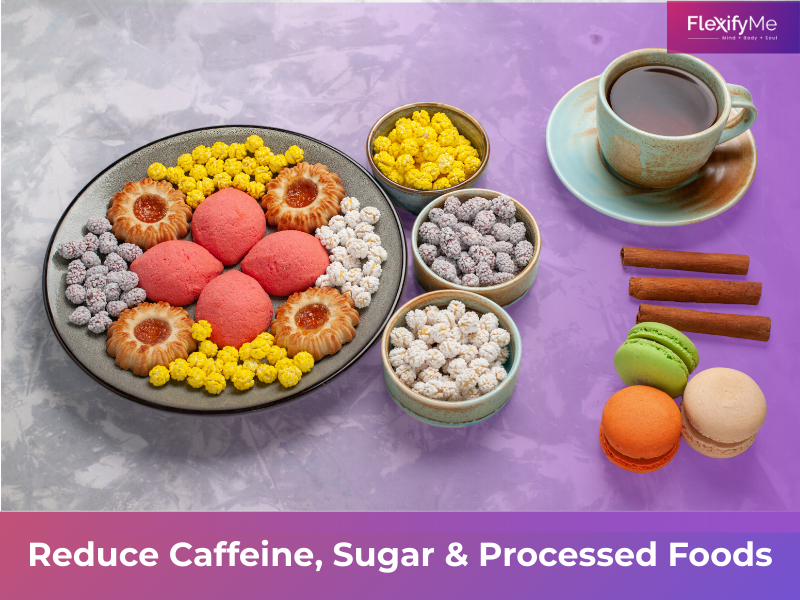
Caffeine can feel like anxiety in a cup. Try half your usual or switch one drink to tea. Very sweet snacks spike then crash. Swap in fruit, yoghurt, or nuts. Notice how your body reacts and adjust without making it a big story.
7. Do Regular Physical Activity
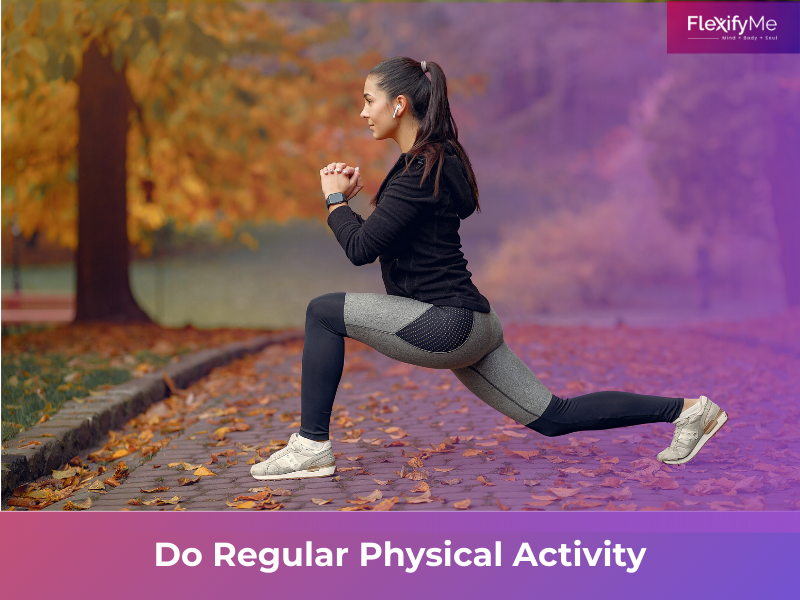
Move your body to move your mood. A brisk walk counts. So does cycling to the shop or dancing in the kitchen. Aim for twenty minutes most days. Not perfect. Just honest movement.
8. Try Home Remedies Like Herbal Teas & Aromatherapy

Chamomile or peppermint tea. A lavender dab on a tissue. Soft lighting. None of these fixes everything, and that is okay. They set the tone so other habits work better.
9. Use Cognitive Techniques to Stop Overthinking
Write down the scary thought. Ask: What is the evidence for it? What is the evidence against it? What would I tell a friend? Craft a balanced line and repeat it when the old one returns. Your brain learns with practice.
10. Follow Daily Journaling for Mental Clarity
Two minutes in the evening. One worry, one win, one next step for tomorrow. Keep it short. This clears mental clutter and gives you a clean start in the morning.
11. Try Grounding & Instant Calming Techniques
Use your senses to anchor attention. Name five things you can see, four you can feel, three you can hear, two you can smell, and one you can taste. Slow down as you list them. Finish with a longer exhale.
12. Seek Professional Support When Needed

If anxiety blocks work, study, sleep, or relationships, talk to a GP or therapist. Cognitive behavioural therapy has solid evidence. Medication helps some people. Using help is strength, not failure.
Instant Ways to Calm Anxiety (Work in Seconds)
Keep a few “now” tools in your pocket.
Cold Water Splash Technique
Cool water on the face can trigger the dive reflex and slow heart rate. Splash, breathe out as it touches your skin, pat dry. Notice the drop in speed.
5-4-3-2-1 Grounding Method
Five things you see. Four you feel. Three, you hear. Two, you smell. Once you taste. Quiet voice or in your head. Simple. Effective.
Progressive Muscle Relaxation
Tense and release. Feet, calves, thighs, hands, arms, shoulders, jaw, eyes. Five seconds on, ten seconds off. Warmth follows the release. That is your nervous system settling.
Things to Avoid If You Have Anxiety
Avoid Excess Screen Time
Endless feeds keep the brain revved. Try no phone at meals. A short evening cut-off. A book by the bed. Small swaps help more than you expect.
Avoid Overthinking & Negative Triggers
Late-night problem-solving rarely solves anything. If your head spins, park the thought on paper and set a time tomorrow to revisit. Trim angry or scary accounts from your feeds.
Avoid Caffeine, Late Nights & Alcohol
Too much coffee, poor sleep, and heavy drinking all nudge anxiety higher. Soften each one. Earlier bedtime. Fewer drinks. One less coffee. Notice the difference over a week.
Create Your Daily Anxiety Control Routine
Routines beat willpower. Keep it light and repeatable.
Morning Routine
- Two minutes of 4–6 breathing
- A short stretch or walk in daylight
- Breakfast with protein and fibre
- Write one clear priority for the day
Midday Reset Routine
- Step away from your screen and move for five minutes
- Drink water, pick a steady snack
- Do a 60-second grounding check-in
- Drop one low-value task from your list
Night Routine
- Dim the lights one hour before bed
- Ten minutes of gentle yoga or reading
- Write one worry, one win, one next step
- Leave your phone outside the bedroom if possible
When Should You See a Doctor or Therapist?
- Frequent panic attacks or fear of the next one
- Weeks of poor sleep despite good habits
- Avoiding work, school, or social life
- Ongoing chest pain, shortness of breath, or stomach issues
- Anxiety mixed with low mood, self-harm thoughts, or heavy substance use
Please reach out sooner rather than later. Early help shortens the road back.
Transform Your Anxiety in Just 20 Minutes a Day
Over 50,000+ members have reduced their anxiety through our proven online meditation classes.
Final Thoughts
You do not need a perfect plan to feel better. You need a few steady moves you will actually do. Start with slow breathing and a daily walk. Protect your sleep. Eat as you care about your future self. Keep one grounding tool in your pocket and one thought tool on paper.
If things stay heavy, add a professional to your team. Tiny, repeatable actions. That is the work. And yes, you can do it. Progress is rarely a straight line, so judge by the week, not the hour. Celebrate small wins, forgive the blips, and keep going. Calm is a skill you build, not a switch you flip.
People Also Ask
1. How can I calm my anxiety quickly?
Use the 4-6 breathing method: breathe in through your nose for 4 counts, out through your mouth for 6 counts. Try the 5-4-3-2-1 grounding technique—name 5 things you see, 4 you touch, 3 you hear, 2 you smell, 1 you taste. Splash cold water on your face to trigger the dive reflex and slow your heart rate. These work in seconds and can be done anywhere.
2. What is the 3-3-3 rule for anxiety?
The 3-3-3 rule is a grounding technique: name 3 things you see around you, 3 sounds you hear, and move 3 parts of your body (like your fingers, shoulders, or feet). This brings your focus back to the present moment and interrupts anxious thought patterns. It’s simple, quick, and effective during panic or overwhelming moments.
3. Can anxiety go away naturally without medication?
Yes, many people manage anxiety naturally through lifestyle changes. Regular exercise, deep breathing, better sleep, reduced caffeine, and cognitive techniques can significantly reduce symptoms. However, severe or persistent anxiety may need professional support like therapy or medication. Natural methods work best when combined with self-awareness and consistent daily habits.
4. What foods help reduce anxiety naturally?
Foods rich in magnesium (leafy greens, nuts, seeds), omega-3 fatty acids (salmon, sardines, walnuts), protein (eggs, chicken, tofu), and complex carbs (oats, lentils, brown rice) help stabilize mood and blood sugar. Stay hydrated and avoid excess caffeine, sugar, and processed foods that can spike anxiety. Consistent, balanced meals matter more than any single “superfood.”
5. How do I stop overthinking and anxiety at night?
Park worries on paper before bed—write one concern and one next step for tomorrow. Keep a consistent bedtime routine: dim lights an hour early, avoid screens, try gentle stretches or reading. If you can’t sleep after 20 minutes, get up and do something calm until you feel sleepy. Never problem-solve at 3 a.m.—your brain lies when tired.
6. What is the fastest way to reduce anxiety?
The fastest method is controlled breathing: inhale for 4 counts, exhale for 6-8 counts. Do this for 2 minutes. Cold water on your face, progressive muscle relaxation (tense and release each muscle group), and the 5-4-3-2-1 grounding technique also work within seconds. Keep one of these in your mental toolkit for instant relief.
7. Does exercise really help with anxiety?
Yes. Exercise releases endorphins, burns stress hormones like cortisol, and improves sleep quality. Even 20 minutes of brisk walking, cycling, or dancing most days can reduce anxiety symptoms significantly. You don’t need intense workouts—consistent, moderate movement is more effective than sporadic gym sessions. Movement shifts both body chemistry and mental focus.
8. What are the signs that my anxiety needs professional help?
Seek help if anxiety causes frequent panic attacks, ongoing sleep problems despite good habits, avoidance of work or social life, or physical symptoms like persistent chest pain. If anxiety mixes with depression, self-harm thoughts, or heavy substance use, contact a GP or therapist immediately. Early professional support shortens recovery time—it’s strength, not weakness.
9. Can caffeine make anxiety worse?
Yes. Caffeine stimulates your nervous system and can mimic or worsen anxiety symptoms—rapid heartbeat, jitters, restlessness, and racing thoughts. Try cutting your intake by half or switching one coffee to herbal tea. Notice how your body responds over a week. Some people are more sensitive than others, so experiment and find your personal limit.
10. How long does it take for natural anxiety remedies to work?
Most people notice small improvements within 1-2 weeks of consistent practice. Breathing techniques and grounding methods work immediately, while lifestyle changes like better sleep, exercise, and diet shifts take 2-4 weeks to show full effects. Cognitive techniques and journaling often show results within 3-4 weeks. Consistency matters more than perfection—judge by the week, not the day.


