

Before we talk about the posture itself, here’s something to think about. Most of us sit for 6 to 10 hours a day for work, browsing through our phones, or commuting. The body begins to sense it after a while. It’s not a coincidence that your hips are tight, your back is stiff, and you always want to stretch.
This is where simple yoga poses actually make a difference. Not the complicated ones you see online, but the ones that fit into everyday life. Setu Bandhasana is one of those. It looks easy, almost too easy, but practise it for a few days, and you will start noticing the shift.
What is Setu Bandhasana?
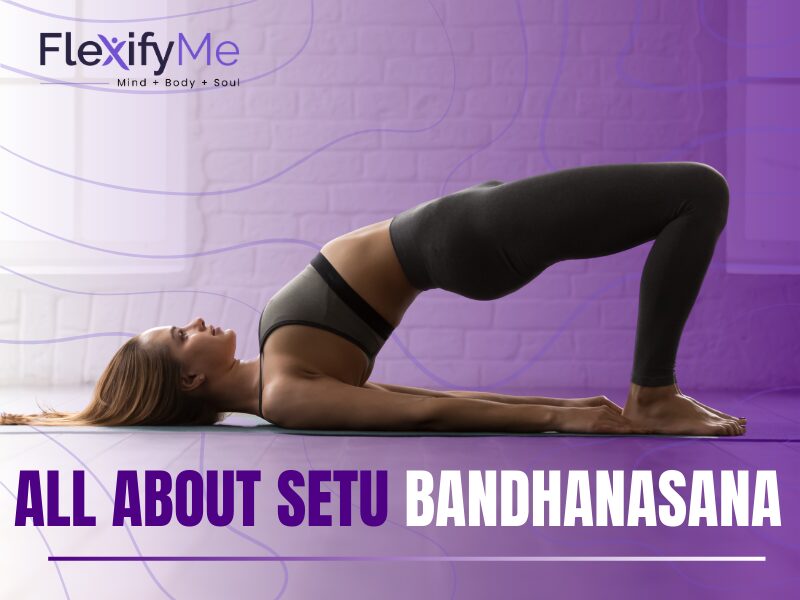
Honestly, some yoga poses look intimidating even before you try them. Setu Bandha Sarvangasana isn’t one of them. At first glance, it feels simple. You lie down, lift your hips, hold for a bit, and come back down. But once you actually try it, you realise there’s more going on beneath that simplicity.
Setu Bandhasana, or Bridge Pose, gets its name from the shape your body creates. Your shoulders and feet stay grounded while your hips lift, forming a gentle arch, like a bridge. It’s not dramatic or flashy, but it’s incredibly effective.
What makes this backbend yoga pose stand out is its accessibility. You don’t need to be flexible. You don’t need experience. Even if you’re just starting or getting back into some kind of movement after a long break, this is one of those poses that meets you where you are.
And yet, it doesn’t feel basic when you’re in it. There’s this subtle engagement; your legs are working, your back is active, your chest is opening up, and for a few seconds, everything feels aligned. It’s a small reset, but a noticeable one.
Setu Bandhasana Benefits
If there’s one reason people keep coming back to this pose, it’s because it quietly does a lot. You don’t always notice it instantly, but over time, the changes start to show.
- First, there’s strength. When you lift your hips, your glutes, lower back, and core all kick in together. It’s not aggressive like a gym workout, but it builds a steady kind of strength that supports your body in everyday movement.
- Then comes posture. Most of us spend hours hunched over laptops, phones, you name it. This pose gently pulls your shoulders back and opens your chest, almost like undoing that slouch you didn’t realise you had.
- Many people also notice relief in their lower back. Not in a dramatic, instant-fix way, but more like a gradual easing of stiffness. It’s especially helpful if your back feels tight after sitting for long stretches.
- Flexibility improves, too, but again, it’s subtle. Your hips loosen up, your spine feels less rigid, and your chest gets a bit more open with each practice. Thus, it’s also known as spine flexibility yoga.
- And then there’s the mental side of it. This is something people don’t talk about enough. Holding the Bridge Pose and focusing on your breath has a calming effect. Not in a “life-changing” way, but enough to take the edge off a stressful day.
Some people even find it helps with sleep. It makes sense, really. When your body relaxes, and your breathing slows down, your mind tends to follow.
It’s one of those poses where the benefits don’t shout. They build quietly in the background.
How To Do Setu Bandhasana (Step-by-Step)
You don’t need a lot to get going. You just need a little room and a level surface. Here are the yoga bridge pose steps.
- First, lie on your back. Put your feet level on the ground, approximately hip-width apart, and bend your knees. Bring your heels together so that your fingers may nearly touch them.
- Put your arms down by your sides, palms facing down.
- Now take a breath in. As you exhale, press your feet into the floor and slowly lift your hips upward. Don’t rush it. Let the movement feel controlled.
- As you lift, you’ll feel your legs and glutes engage. Your chest will start to open slightly. Try to keep your knees in line with your hips; they shouldn’t fall outward.
- Hold the position for a few seconds. Keep breathing. That part matters more than people think.
- When you’re ready to come down, lower your hips slowly. No dropping, no rushing. That’s one round.
You can repeat it a few times or hold it longer as you get comfortable. There’s no need to push for perfection here. The goal is to feel the movement, not force it.
Common Mistakes to Avoid
This pose is simple, but there are a few things that can throw it off.
- One of the most common mistakes in beginner yoga poses is pushing too high too quickly. It might feel like you’re doing it “better,” but it often just puts pressure on your lower back. A controlled lift is always better than a high one.
- Another thing to watch is your knees. They tend to drift outward, especially when you’re focusing on lifting your hips. Keeping them aligned makes a big difference.
- Neck strain is another issue. Your weight should stay on your shoulders, not your neck. If your neck feels uncomfortable, something’s off, pause and reset.
- And then there’s breathing. People hold their breath without realising it. It happens all the time. Try to keep your breathing steady; it helps your body stay relaxed in the pose.
Small adjustments, but they change the experience completely.
Contraindications & Safety Tips
It’s still vital to be careful, even if this stance is easy.
- It’s best to be careful if you have a neck injury or other major back problems. The same is true for recent operations or problems with your knees or spine.
- If anything hurts or feels sharp, stop. Yoga isn’t about getting over discomfort.
- You may change the posture at any time. Putting a cushion or yoga block beneath your hips might make it more pleasant and less stressful.
- Also, don’t forget to warm up. Your body will be ready even if you just stretch for a few minutes.
When in doubt, go slower than you think you need to. It’s rarely a bad idea.
Variations of Bridge Pose
Bridge Pose, or Setu Bandhasana, adapts beautifully to different bodies and goals. Whether you’re building strength, easing back tension, or just starting yoga, these glute-strengthening yoga variations meet you where you are. Each one opens the heart, stretches the spine, and energises the body in its own way. Here are the six common forms yogis love, numbered for easy reference.
1. Basic Setu Bandhasana (Mool Setu Bandhasana)
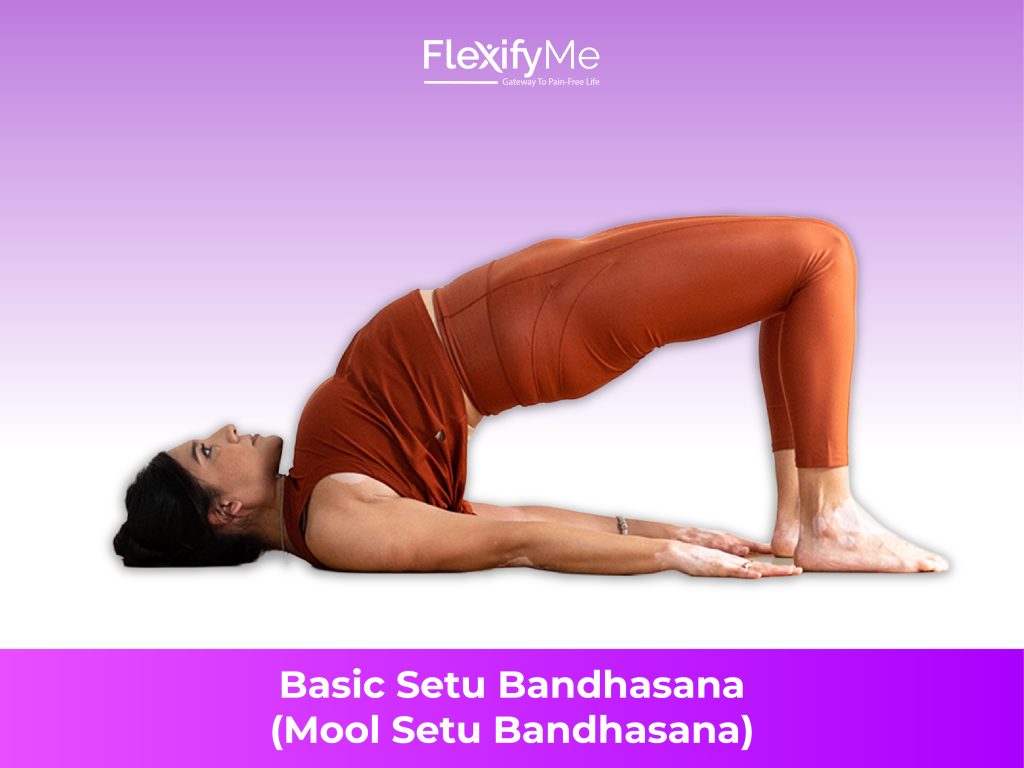
Lie on your back, bend your knees, and place your feet hip-width apart. Press into feet and arms to lift hips skyward. This classic builds glute and core power gently. Hold for five breaths, feeling the front body expand. Perfect for daily practice to wake up the spine.
2. Dynamic Bridge Pose (Gatishil Setu Bandhasana)
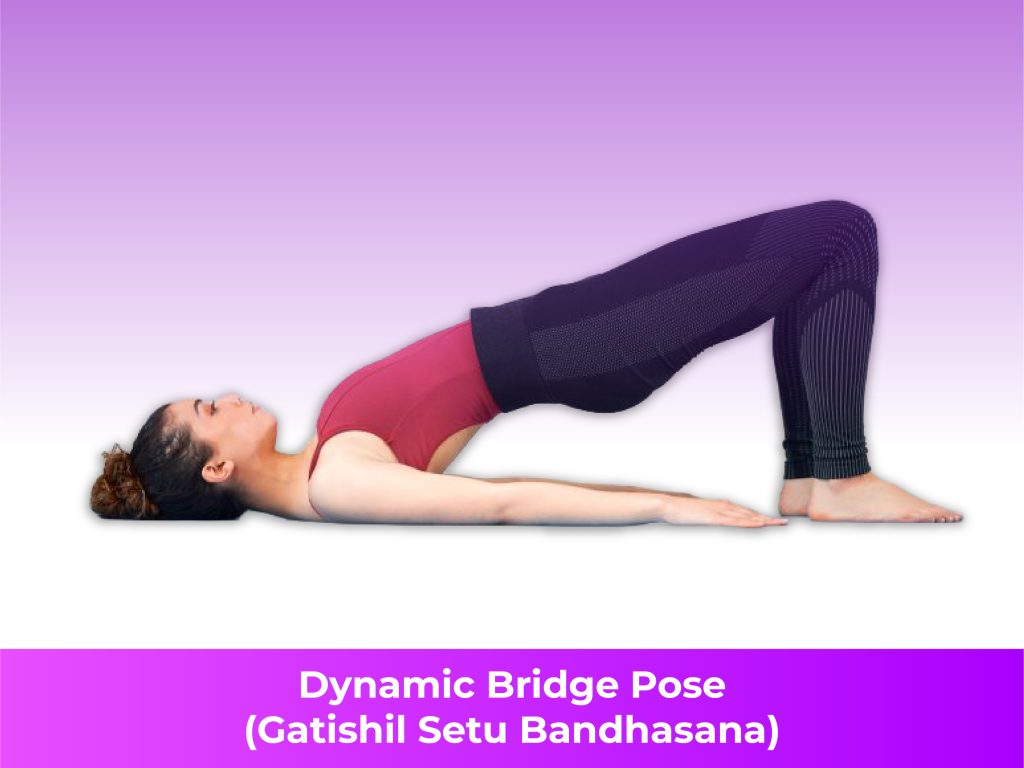
From a basic pose, add flow. Inhale to lift hips high, exhale to lower close to the ground. Repeat 8-10 times. The movement warms the spine, boosts hip flexibility, and fires up the core. Great pre-workout to get blood flowing before deeper poses.
3. Supported Bridge Pose (Sahayak Setu Bandhasana)
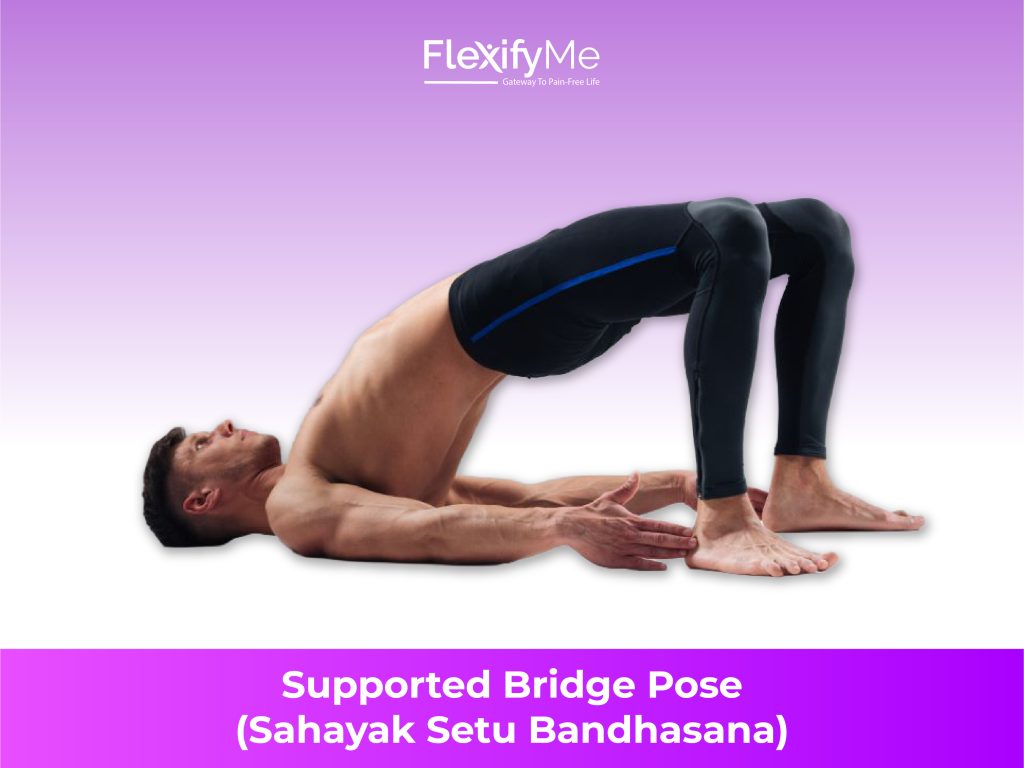
Grab a yoga block under your sacrum for back relief. Lie back, prop the block at medium height, and rest your hips on it. Relax your arms by your sides. Ideal for beginners, seniors, or tight lower backs. Breathe deep for 2 minutes; it eases sciatica while opening the chest passively.
4. One-Legged Bridge Pose (Eka-Pada Setu Bandhasana)
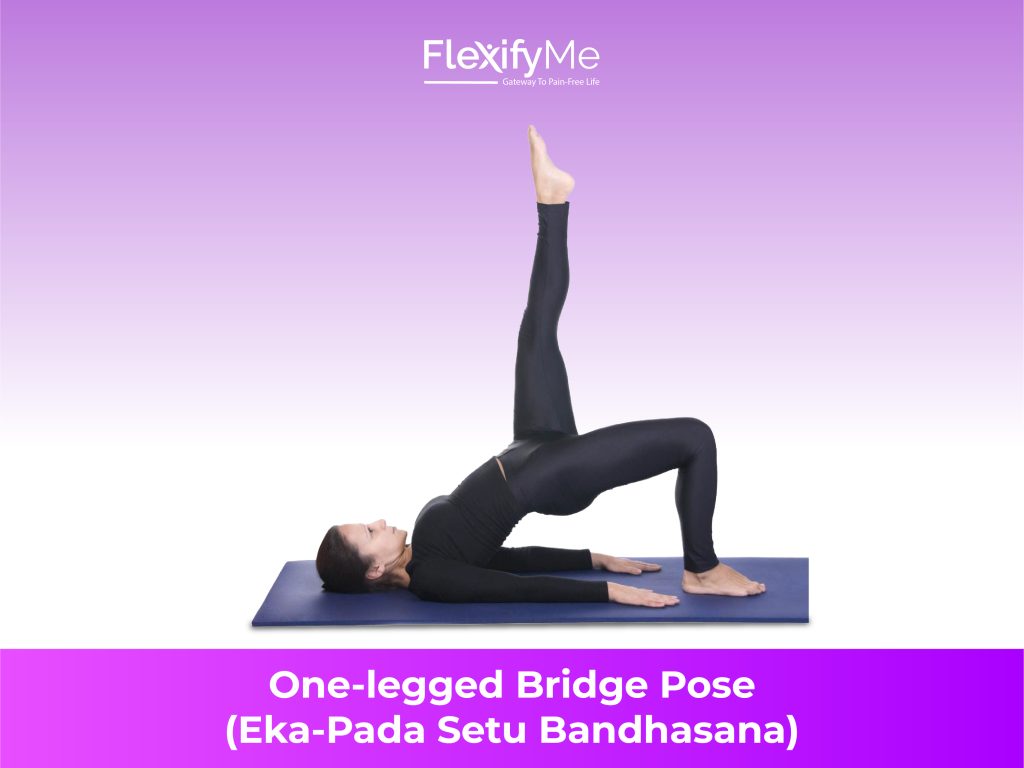
First, learn the basics. Then, lift one foot up to the sky. Push through your standing leg and really work your glutes. Take 3 to 5 breaths on each side. This is hard on balance and really works the legs and core. Switch sides evenly to get more power and balance.
5. Extended Bridge Pose (Vistarit Setu Bandhasana)
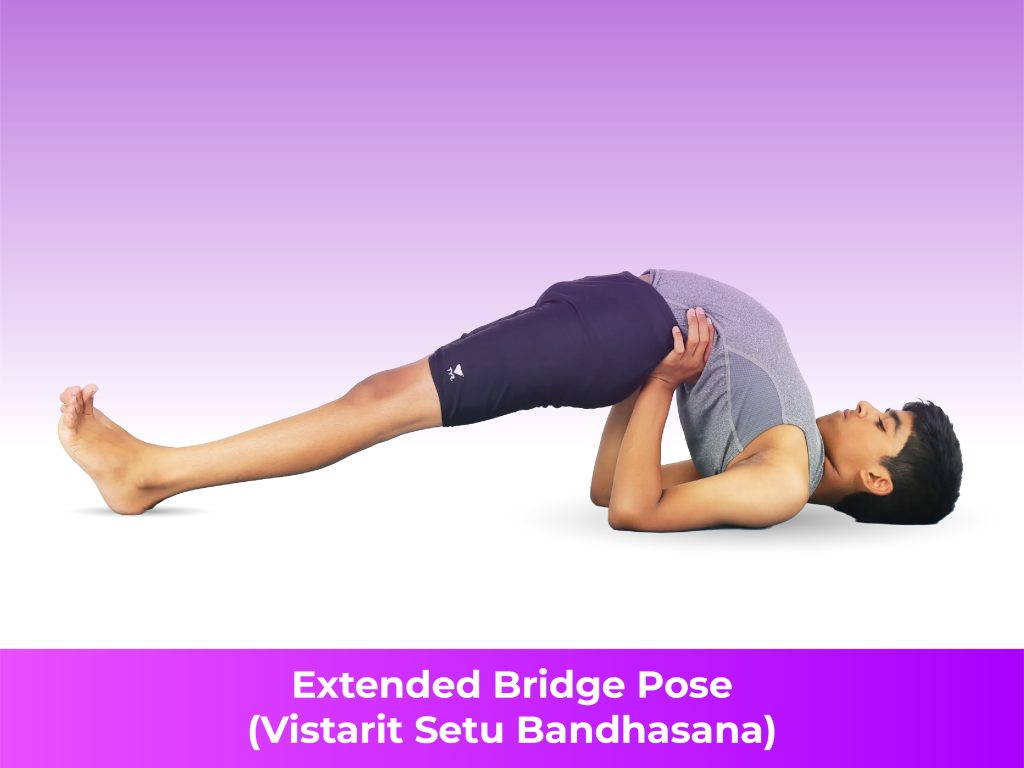
Lift your hips, then walk your shoulders under to clasp hands or palms up. Stretch chest forward. The arm extension deepens the shoulder opening alongside the spinal lift. Hold steady for 30 seconds. Excellent lower back strengthening exercise for posture correction and relieving desk hunch.
6. Reclined Bound Angle Bridge (Supta Baddha Konasana in Setu Bandhasana)
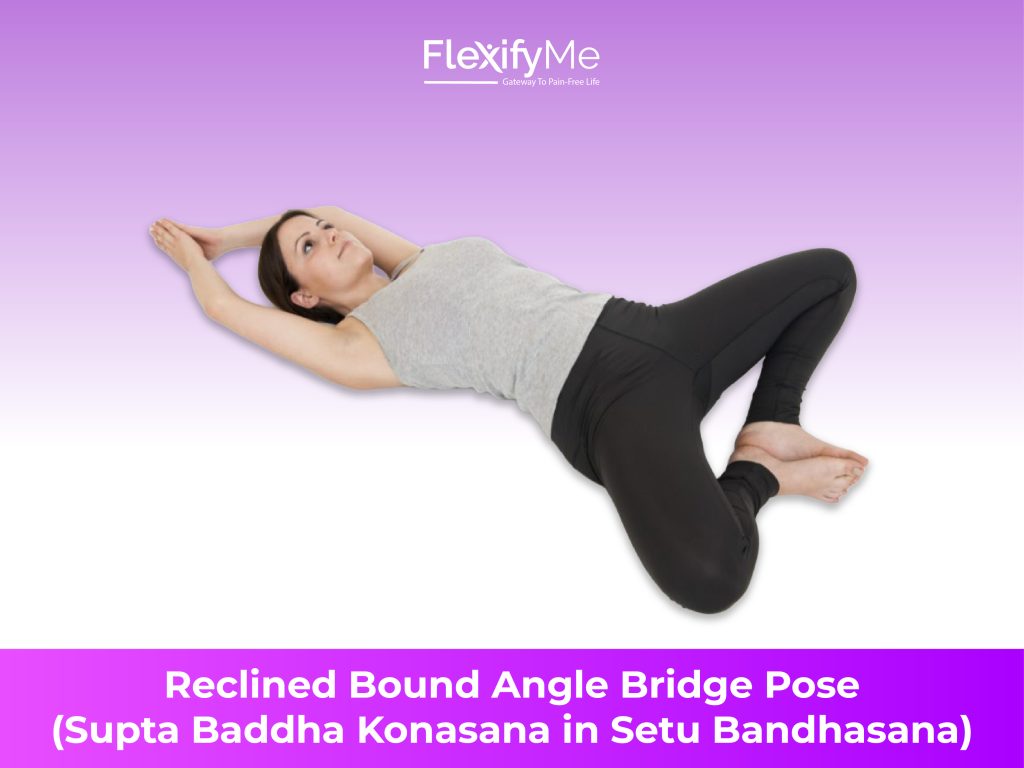
Soles together, knees wide in a bridge lift. Use a block under the sacrum if needed. This hybrid stretches the inner thighs while extending the spine and core. Breathe into your hips for 1 minute. This hip-opening yoga pose is wonderful for women’s health, releasing pelvic tension alongside back strength.
Who Should Do This Pose?
This is one of those poses that works for almost everyone.
If you’re new to yoga, it’s a great starting point. It’s simple, manageable, and doesn’t require flexibility. If you sit a lot during the day, this yoga for posture correction can help counter the stiffness that builds up in your back and hips.
If you’re dealing with mild discomfort or just feeling physically tight, it’s a gentle way to ease into movement. And if you’re someone who just wants a few minutes of calm in the day, this pose does that too.
You don’t need a good excuse to do it. That’s enough of a justification sometimes.
Before we finish, here’s something we really believe about making a habit that lasts. It doesn’t have to be hard, and it shouldn’t seem like a job.
We attempt to keep things simple and true by concentrating on the following:
- Making routines that work with real-life schedules
- Making sure the principles are clear and simple to understand
- Giving you space to go at your own speed without feeling rushed
- Putting consistency ahead of excellence
At the end of the day, being there regularly is far more important than doing everything “right.”
Ready to perfect your Bridge Pose? Join Flexifyme’s online yoga classes and learn from certified instructors. Get personalized guidance, flexible timings, and start your FREE trial today!
Conclusion
Setu Bandhasana is one of those poses that doesn’t try too hard, and maybe that’s why it works so well.
It strengthens without overwhelming you. It stretches without forcing your body. And it gives you a moment to slow down, even on the busiest days.
You won’t always notice the impact immediately. But if you keep coming back to it, you’ll start to feel the difference in your body, your posture, and even how you carry yourself throughout the day.
FAQ’s
1. Can beginners do the Bridge Pose?
A. Yes, Setu Bandhasana is one of the safest beginner yoga poses. Using support, such as a yoga block under the hips, can make it easier and more comfortable.
2. How long should I hold Setu Bandhasana?
A. Initially, you can hold Bridge Pose for 20–30 seconds. Once you get used to it, gradually increase the duration to 1 minute as your strength and flexibility improve.
3. Can Setu Bandhasana help reduce stress?
A. Yes, this backbend yoga pose helps calm the nervous system and reduce stress. By opening the chest and promoting deep breathing, it relaxes the mind and improves mood.
4. Can I do Setu Bandhasana during periods?
A. Yes, Setu Bandhasana can be practised during periods if it feels comfortable. It can relieve mild cramps and improve blood circulation.
5. What muscles does the Bridge Pose target?
A. Bridge Pose targets the glutes, hamstrings, lower back, and core. Being a form of yoga for posture correction, it also stretches the chest, neck, and spine.
6. How often should I practice Setu Bandhasana?
A. You can practice Bridge Pose daily or 3-5 times a week. You can hold the pose for 50-60 seconds with deep breathing.
7. What is the best time to do Setu Bandhasana?
A. The best time to do Setu Bandha Sarvangasana is in the morning on an empty stomach. You can also do it in the evening with a minimum gap of 3-4 hours after a meal.


