
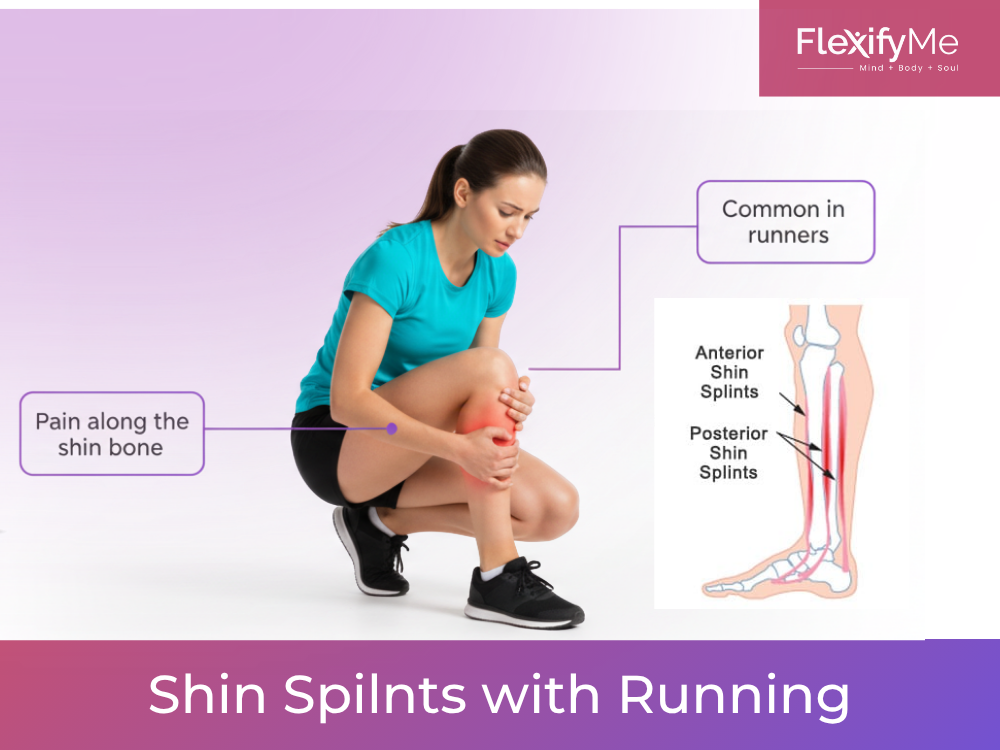

Have you ever felt stress in the front region of your lower leg during a long stretch or continuous run? This condition, also known as shin splints, is a sudden pull due to excess pressure on the tibia. It is painful and likely to occur even when the muscles around the tibia are overworked. Often, intense exercise or rigorous sports might cause the situation to escalate. Simple activities like running and even jumping are primary reasons for shin splints. Luckily, the condition is curable, and you can find relief with some effective moves.
Here’s more on understanding how to prevent shin splints during running.
What are Shin Splints?
Are you still confused about what shin splints are? Well, it is a commonly used term to describe tibia stress syndrome. This injury is characterised by intense pain in the lower leg around the region of the tibia or shinbone. To prevent shin splints, it is important to identify what causes them. Constant impact on the shinbone during exercises causes inflammation in the tibial muscles.
Symptoms
Common symptoms of shin splints are sharp and extended pain, followed by tenderness. Other accompanying signs that indicate injury to the shinbone.
- Dull and extended pain in the tibia bone with sharp stings now and then.
- Conditions are likely to worsen with overuse of the muscles, even when the pain persists.
- Patients might suffer inflammation due to a muscle tear, leading to prolonged impact.
- Medial tibial stress syndrome (MTSS) is accompanied by intense pain when left untreated.
Common Causes of Shin Splints
Understanding the causes of the injury can help you prevent shin splints. General causes are overuse of the shinbone during physical activities. Here’s a glimpse of activities that increase the risk of sprain in the tibia.
- Repetitive and impactful activities: These include activities like jumping, running, and dancing. It puts sudden and intense pressure on the tibia. Ultimately, it leads to muscle pull and damage to the bone tissues.
- Military training programs: Forms of demanding exercises cause a sprain in the shin.
- Sudden change in activities: A shift in regular exercise regimes can also have an impact on the tibia. This may be due to a change in the intensity or the frequency of the exercise. Practitioners suggest reducing the duration of exercises when experiencing discomfort.
- Improper footwear: Inappropriate shoes for running or playing cause shin damage. Poorly fitted athletic shoes without cushioning fail to provide support to the legs.
- Unsupportive floor: Avoid jumping on concrete floors, especially without a cushioning mat. This is a common way to hurt your lower legs due to the intense pressure on the feet.
- Other biomechanical factors: Shin damage can be due to flat feet or high arches. Addressing foot problems like tight calf muscles can also prevent shin splints.
Additionally, avoid taking long strides while jogging to prevent shin splints. Being overweight and a lack of warm-up also contribute to sprains.
Best Physiotherapy Treatments for Shin Splints
Pain management measures can provide relief from the extended ache initially. Switching to proper footwear can provide a holistic approach to preventing shin splints. Explore these physiotherapy treatments to find sustained relief.
1.Stretching and strengthening gradually
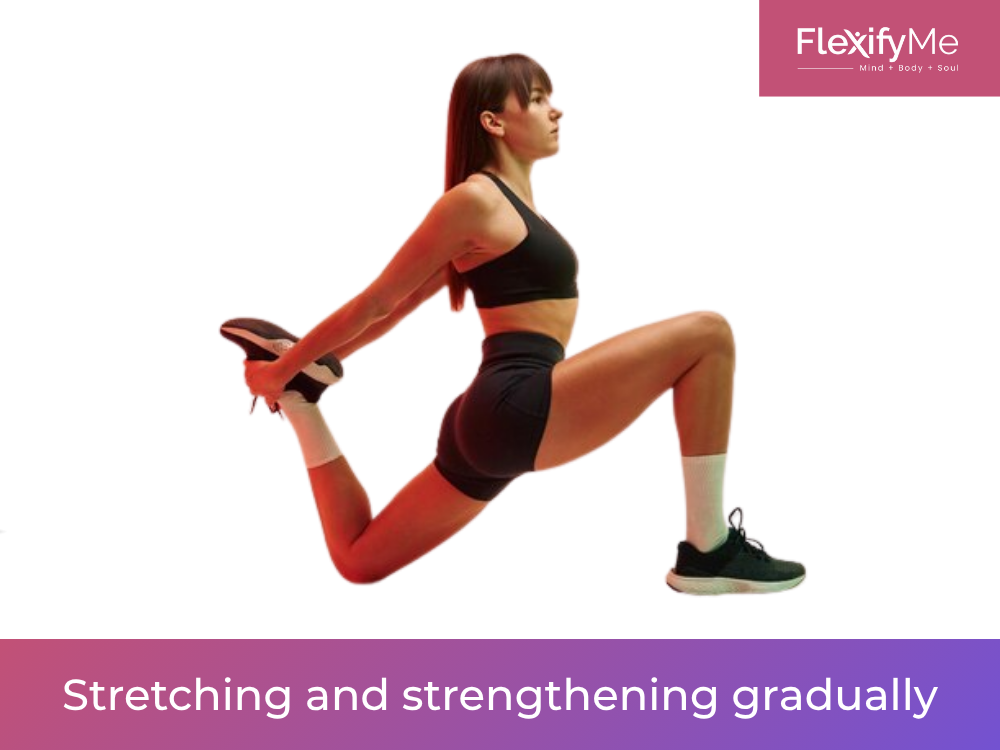
Curate a program dedicated to the patient. This gives a personalised approach addressing the extent of damage to create flexibility. Gradually, the strength of the shin muscles and calves is likely to develop. The hips and the core are also involved in the process. Improving running mechanics can also reduce the scope of future injuries
2.Manual therapies
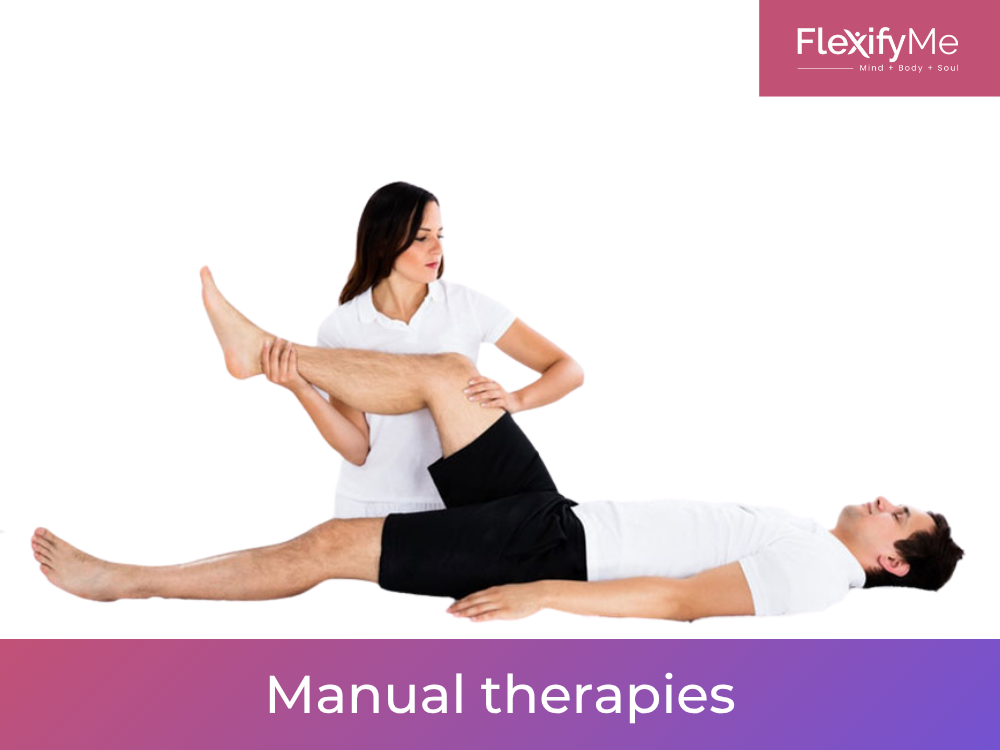
To prevent shin splints, manual therapies are also a beneficial choice. Techniques involve mobilisation of the soft tissue. Cupping therapies also release the tension around the tight muscles, addressing trigger points.
3.Biomechanical correction
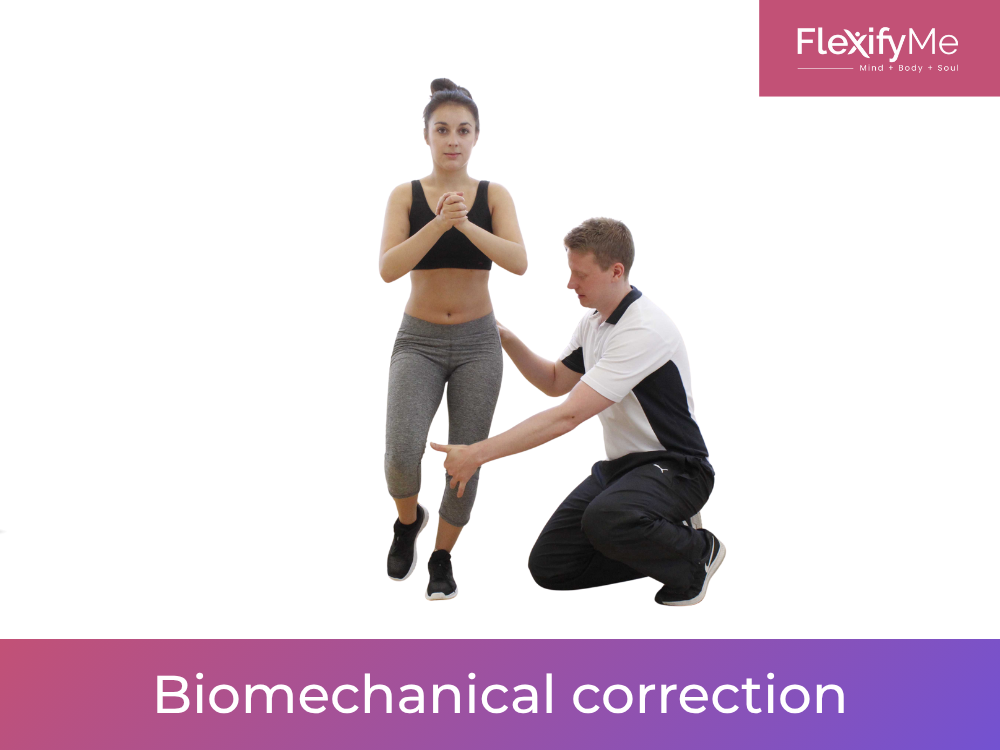
Here is another effective way to prevent shin splints. Experts identify underlying causes such as arch feet and poor in-built leg mechanics. Suggesting strategies to correct the gait issues proves beneficial during such times.
4.Balancing treatment and exercises
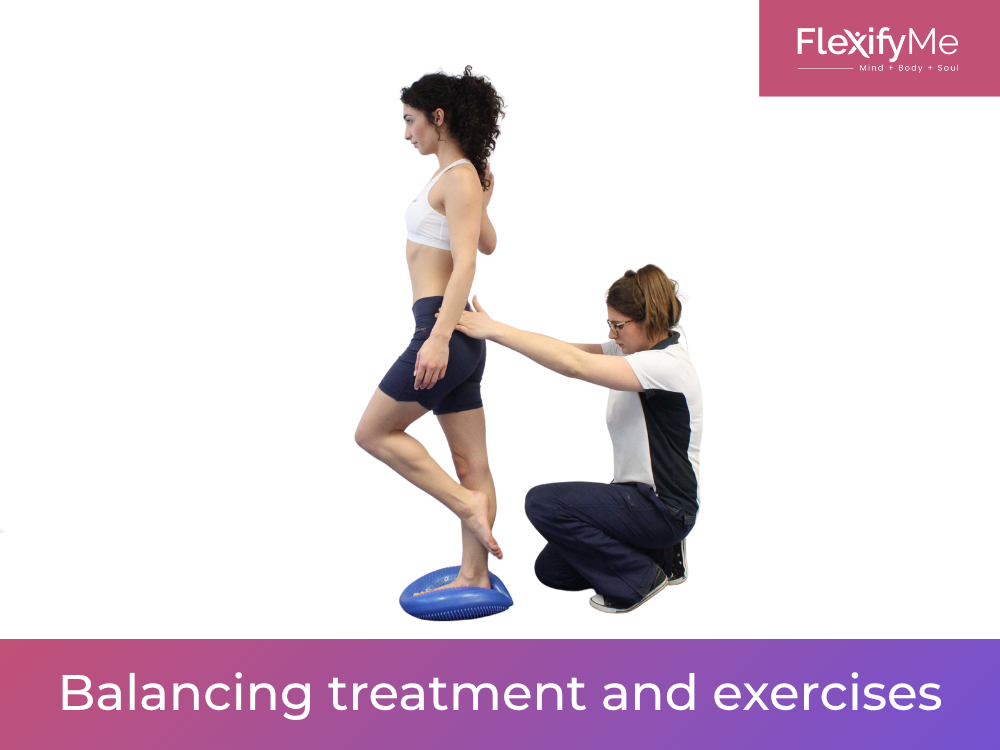
Known as proprioceptive, it helps develop body equilibrium. This balances your body’s reflexes to different surfaces, responding with resilience and strength.
Initial Pain Management Treatment
While physiotherapy is an effective choice for prevention and cure, take preliminary measures to alleviate the pain.
1.Resting
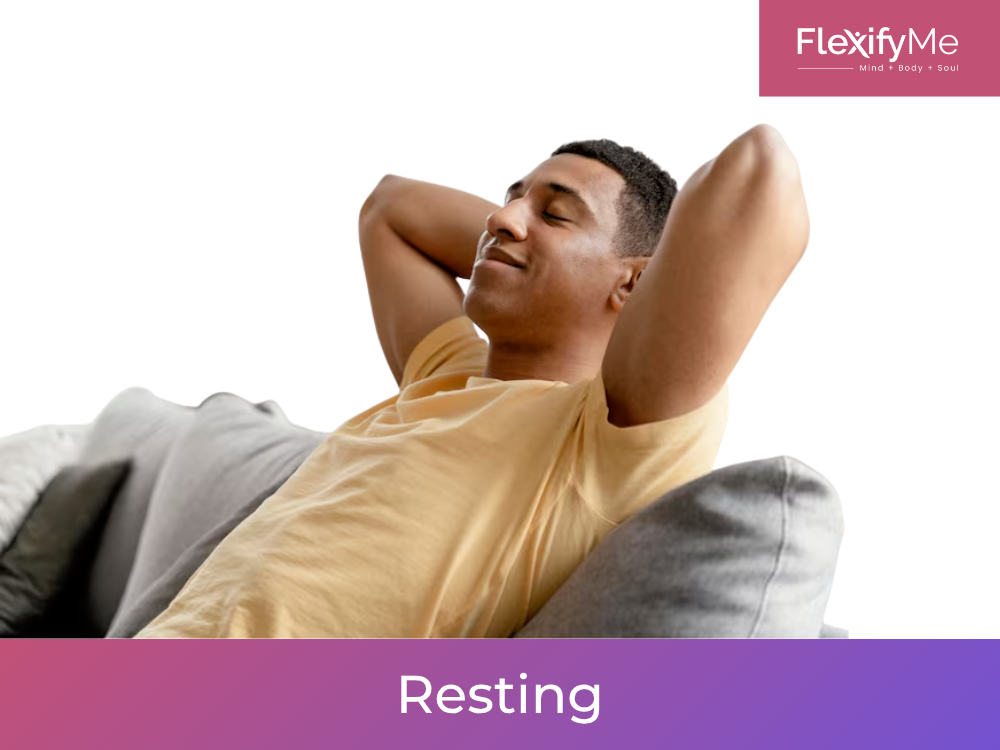
Avoid activities that cause stress in the legs immediately after the sprain. This can increase swelling, ultimately slowing down the healing process.
2.Cold Compress
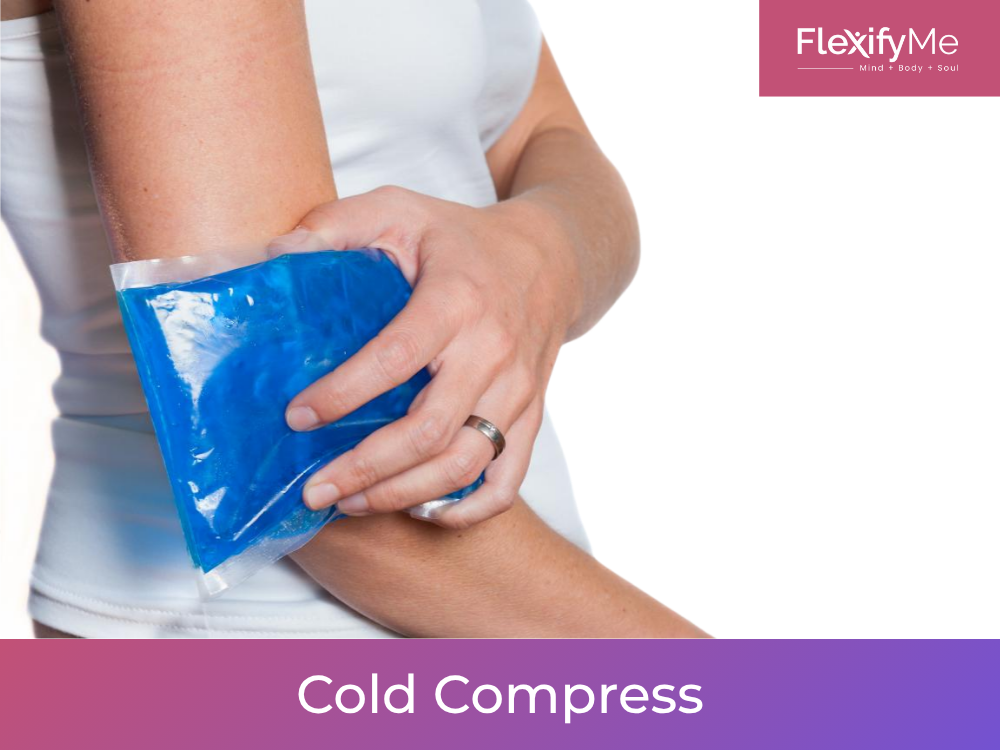
Place an ice pack on the affected area for at least 15 to 20 minutes to prevent swelling. Try this process several times a day to reduce inflammation and pain.
3.Over-the-counter medications

Certain general medications and painkillers help initially to numb the pain.
Prevention Tips for Shin Splints
Although painful, shin splints can be cured with effective measures. However, prevention is the best cure, as the common saying goes. To prevent shin splints, there are a couple of things you can do.
1.Stretch your calves and hamstrings

Tight leg muscles cause a sprain in the legs. It is essential to stretch your legs regularly for flexible and tensile muscles.
2.Avoid an increase in intensity of exercise
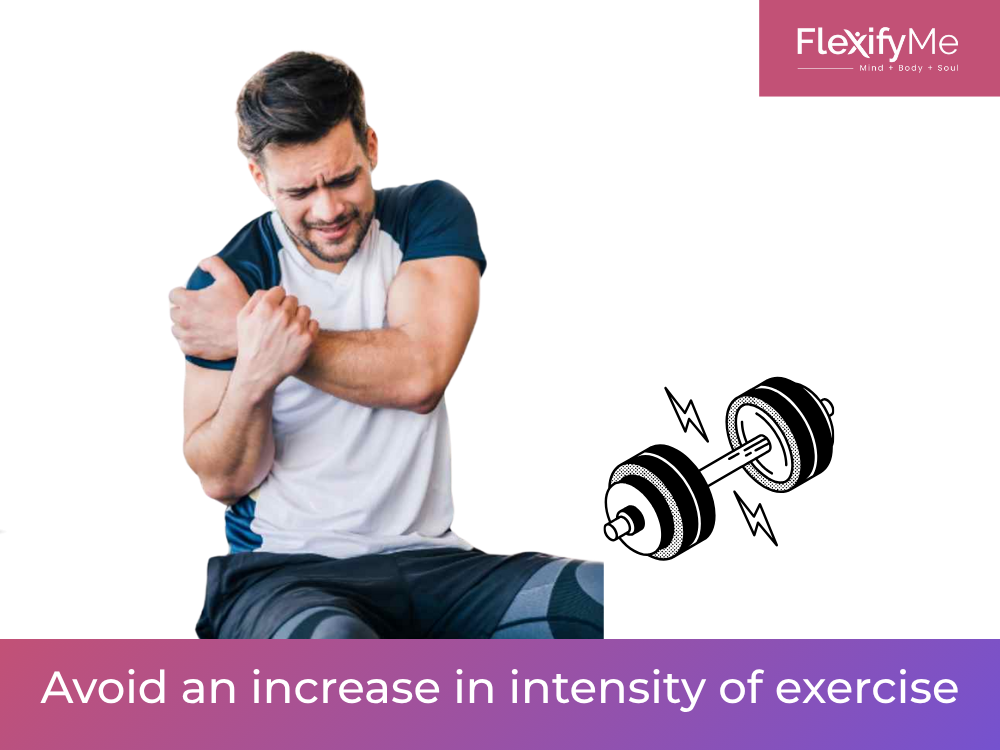
A Sudden change in frequency can cause a sprain in the leg. To prevent shin splints, practitioners can slowly increase the duration of respective activities. Cross-training and practising an alternative form counteract the effect of the former exercise.
3.Exercise on a cushioned surface
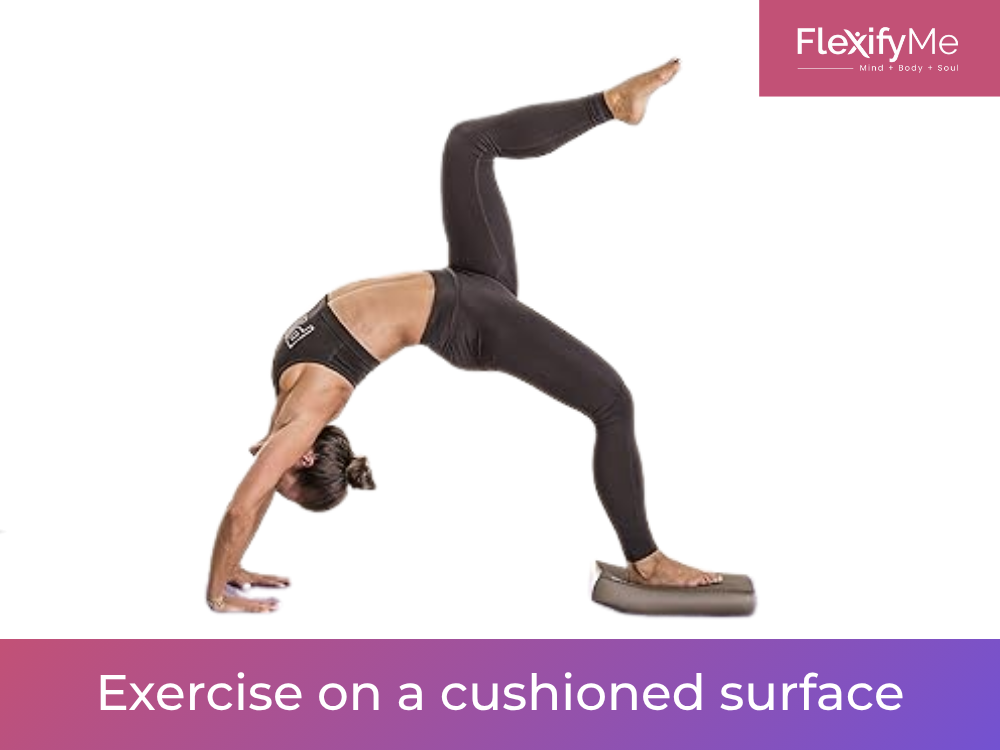
Practising on concrete can cause a shooting sensation. This gradually affects the tibia. The best thing to do is jump, leap, and run on grass, which has a cushioning effect on the pressure exerted. Lay artificial grass or a mat on the floor while practising indoors to counteract. Sprung wooden floor, sand, and synthetic turf fields also prevent shin splints.
4.Strengthen the arch of your foot
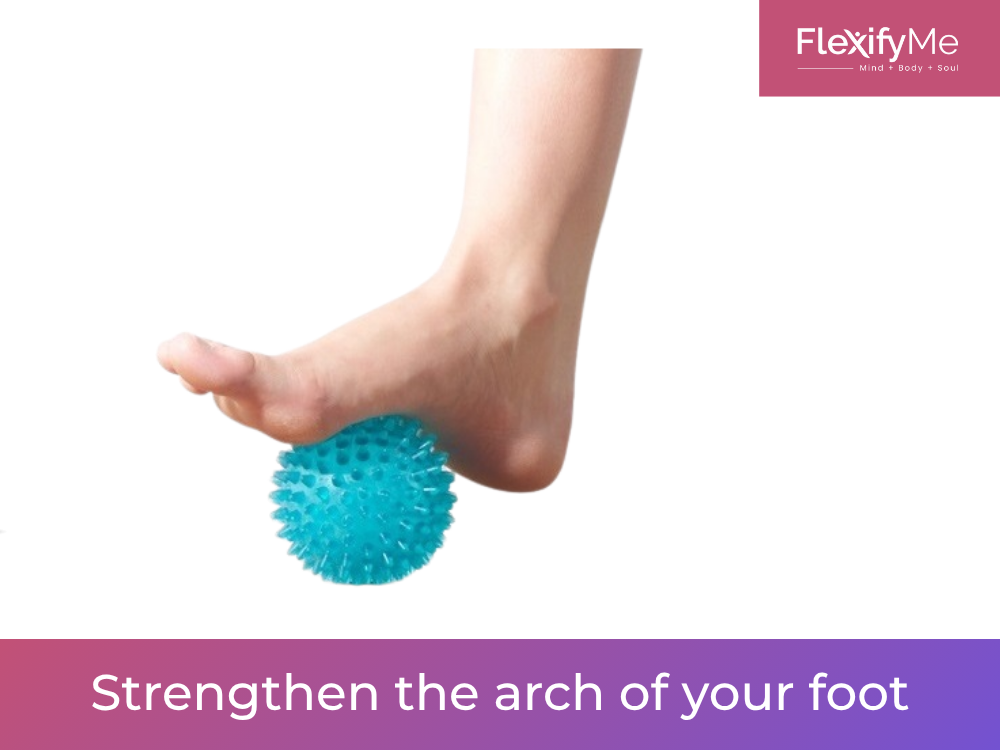
An Arch in the foot can cause unnecessary pressure on the calves. An arch in the foot may develop by the age of 7 to 8, with some of us getting a sharper curve than others. The deeper the arch, the higher the risk of shin splints occurring later on. Plus, the muscles in the lower legs, trunk, and thighs get weaker due to a lack of physical activity. Strengthening the legs with regular exercise reduces pressure and prevents shin splints.
5.Train hip muscles
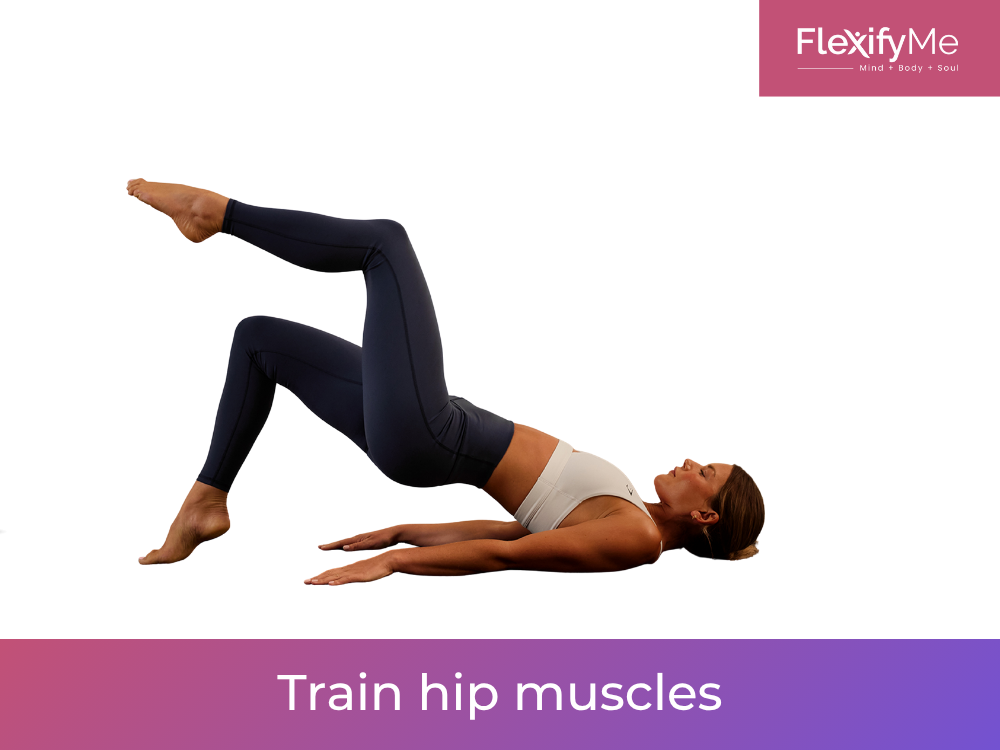
Hip muscles involved in movement reduce the intensity of damage. By absorbing the shock and pressure, the hips create a cushioning effect for the lower legs. Consult a physiotherapist to guide you with strengthening hip muscles.
6.Use proper athletic shoes
Ill-fitted shoes have a detrimental effect on the legs. Customise the shoe for walking, badminton, or football. A good athlete always carries suitable footwear categorised for the training.
7.Learn proper running and jumping techniques
Landing techniques impact shin damage. Improve exercise techniques to reduce the impact of landing on your feet. Such strategies prevent shin splints and other significant pain.
8.Encourage weight management
Obesity creates complications due to excess pressure on the feet. Encouraging weight management makes movement easier and safer.
When to See a Physiotherapist
Preventing shin splints requires intervention at the right time. Promptly addressing the situation can help you cure the ache easily. These include applying a cold compress and mild exercise. Here’s when you need to see a physiotherapist when the symptoms persist.
- Consistent pain: Aches due to shin issues are common but usually dissipate with time. When the pain persists, you should consult a physiotherapist.
- Swelling and worsened cases: Significant swelling or severe pain with difficulty moving. Seek the assistance of an expert before matters turn worse.
- Pain even during resting: Aches during rest periods are a sign of concern during shin damage. Talk to a physician to learn about the underlying causes and seek treatment.
- Recurring symptoms: A history of shin ache should not be treated with a casual approach. Take the help of a physiotherapist to prevent future flare-ups.
Conclusion
To prevent shin splints, it is vital to assess the accurate reason and avoid further impacts. Through accurate diagnosis of the state, patients can treat their shin problems. Several biomechanical assessments enable one to understand the cause of shin splints.
Nowadays, customised plans for targeted treatments are also available to improve flexibility. Speaking to a physiotherapist can guide you with your lower leg issues. Strategies for gait correction can also prevent shin splints.
Frequently Asked Questions for shin splints
1. What are shin splints and what causes them?
Shin splints, or medial tibial stress syndrome, occur due to inflammation of the muscles, tendons, and bone tissue around your shinbone. They’re often caused by overuse, improper footwear, or sudden increases in workout intensity.
2. What are the common symptoms of shin splints?
Symptoms include sharp or dull pain along the inner edge of the shinbone, tenderness, mild swelling, and discomfort during or after exercise.
3. How can I relieve shin splint pain quickly?
Use the R.I.C.E. method — Rest, Ice, Compression, and Elevation — to reduce pain and inflammation. Stretching, massage, and physiotherapy can also accelerate recovery.
4. How long do shin splints take to heal?
Mild cases usually heal within 2 to 4 weeks, while severe or chronic shin splints may take 6 to 8 weeks or longer with proper rest and physiotherapy care.
5. Can physiotherapy help treat shin splints?
Yes! Physiotherapy helps by identifying muscular imbalances, improving posture, and guiding you through strengthening and mobility exercises that prevent recurrence.
6. What exercises should I avoid if I have shin splints?
Avoid running on hard surfaces, jumping exercises, and high-impact workouts that worsen pain. Instead, try low-impact options like swimming, cycling, or yoga until recovery.
7. How can I prevent shin splints from coming back?
Wear supportive footwear, increase your workout intensity gradually, maintain good lower-leg flexibility, and do calf and shin strengthening exercises regularly.
8. Are shin splints and stress fractures the same thing?
No. Shin splints involve inflammation of muscles and tendons, while stress fractures are tiny cracks in the bone. Persistent, localized pain might indicate a fracture — consult a physiotherapist or orthopedist.
9. When should I see a physiotherapist for shin splints?
If pain persists beyond a few days of rest or interferes with walking or exercise, consult a physiotherapist. They can assess your movement patterns and provide personalized rehab.
10. Can AI posture analysis help detect the cause of shin splints?
Yes! Modern AI posture analysis can identify alignment issues, gait imbalances, and incorrect loading patterns that contribute to shin splints — helping design a precise recovery plan.


