


7 Best Stretches for Plantar Fasciitis Relief Heel pain has a way of sneaking into your life and overstaying its welcome. One day you’re fine, the next you’re hobbling around like you stepped on a piece of glass. If you’ve ever felt that stabbing pain under your heel first thing in the morning, chances are you’re dealing with plantar fasciitis. And let’s be honest, it’s a miserable way to start the day.
But here’s the upside. Plantar fasciitis can be managed, and in most cases, you don’t need complicated surgery or expensive gear. What you do need is patience and a good set of stretches. Physiotherapists use them every day with patients, and many people find that’s where real relief begins.
In this blog, we’ll cover the basics, what plantar fasciitis actually is, why physio is the best long-term solution, what treatments exist, and of course, the 7 Best Stretches for Plantar Fasciitis Relief that can get you moving again.
What is Plantar Fasciitis: Causes, Symptoms
The plantar fascia is a thick band of tissue running across the bottom of your foot. It links your heel bone to your toes and helps keep the arch in shape. Imagine it as a kind of built-in spring that absorbs shock every time you walk.
When it gets irritated, whether from too much running, hours standing at work, or shoes that don’t support you, the tissue becomes inflamed. That’s plantar fasciitis in a nutshell.
The biggest giveaway symptom is sharp heel pain in the morning. You wake up, take that first step, and it feels like a knife in your heel. Usually, it eases once you’ve moved a bit, but it comes back after sitting down too long or after activity. Some people also notice tenderness in the arch, or pain that lingers after exercise.
Causes are varied. Runners who suddenly push mileage, people with flat feet, folks who live in unsupportive shoes, and even age, all can play a role. But no matter the cause, the outcome is the same: heel pain that interrupts life.
And that’s why the 7 Best Stretches for Plantar Fasciitis Relief are so important. They’re simple, safe, and they directly target the stiff fascia and tight muscles that feed the pain.
Why Physiotherapy is the Best Solution
You could try resting it off. Some people do. But the reality is, plantar fasciitis rarely disappears on its own if you keep doing the same activities that caused it. Rest might dull the pain for a while, but it usually creeps back.
Physiotherapy, on the other hand, works on both the symptoms and the reasons. A physiotherapist won’t only look at your foot; they’ll also study how you stand, walk, and even move your hips. Why? Plantar fasciitis is often linked to the bigger picture. Tight calves, weak arches, or improper posture further up the chain may all put stress on the fascia.
Physio works so successfully because it uses a variety of methods. They’ll use stretches, like the 7 Best Stretches for Plantar Fasciitis Relief, but they’ll also help you become stronger, more balanced, and change your way of living. It’s not about quick fixes. It’s about teaching your body how to move without triggering pain again and again.
Treatments: AI Posture Analysis, Manual Therapy, Dry Needling, Stretching, Strengthening
Modern physiotherapy is a blend of old-school hands-on work and new technology. Here are the main treatments you’ll see:
AI Posture Analysis

This sounds high-tech because it is. Some clinics now scan how you stand and walk. They can spot tiny imbalances, like one hip higher than the other or arches that collapse, that you’d never notice. With that info, physios design a plan that matches your body, not just generic advice.
Manual Therapy
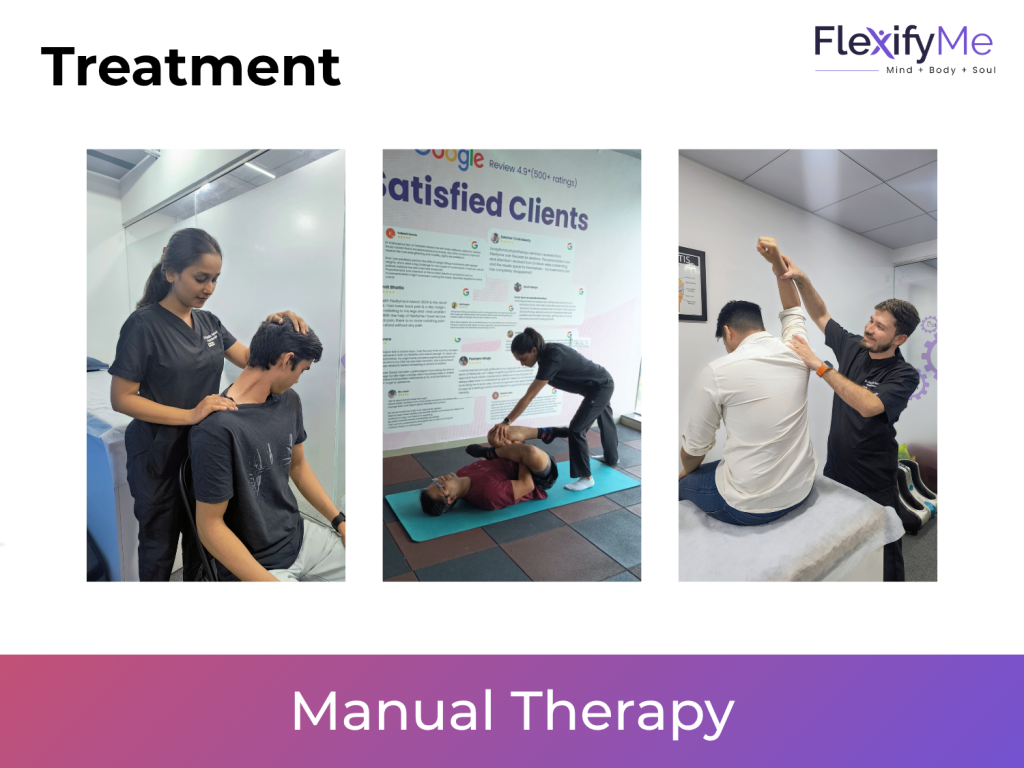
In Manual Therapy Good old-fashioned hands-on treatment still matters. Massage, mobilisation, and pressure applied to tight areas can make a huge difference. It often feels like instant relief, though it’s temporary unless you combine it with exercises.
Dry Needling
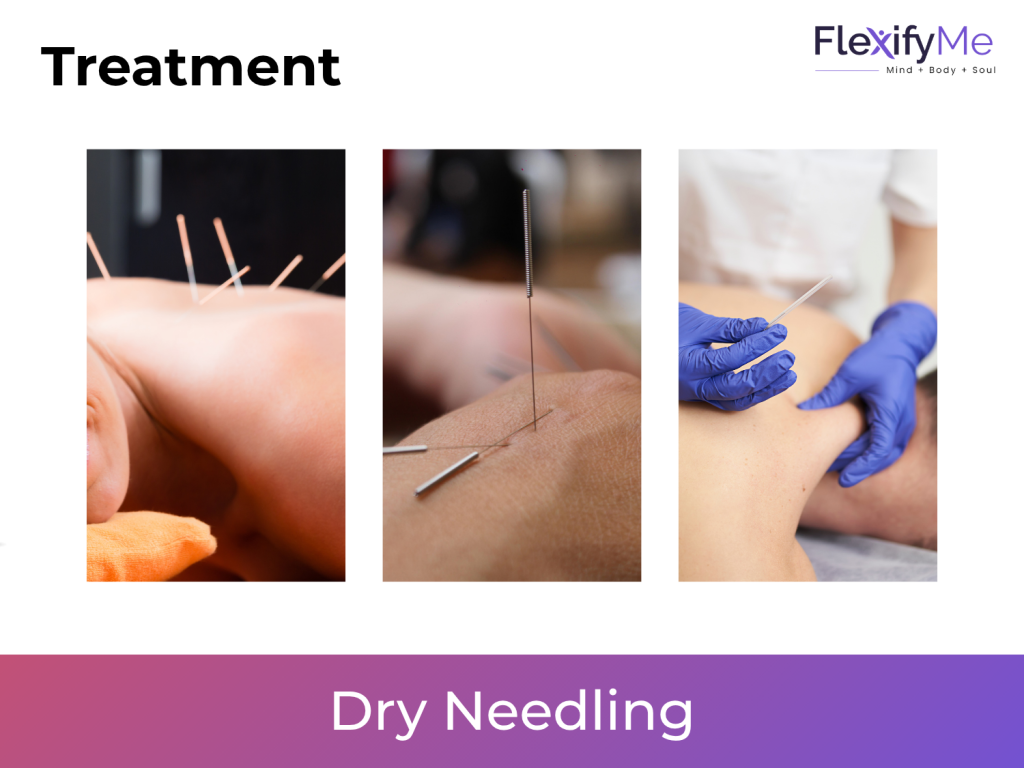
This Dry Needling therapy involves fine needles placed into trigger points in your muscles. It sounds intimidating, but it’s not the same as acupuncture. The goal is to release knots that add extra pull on your heel.
Stretching
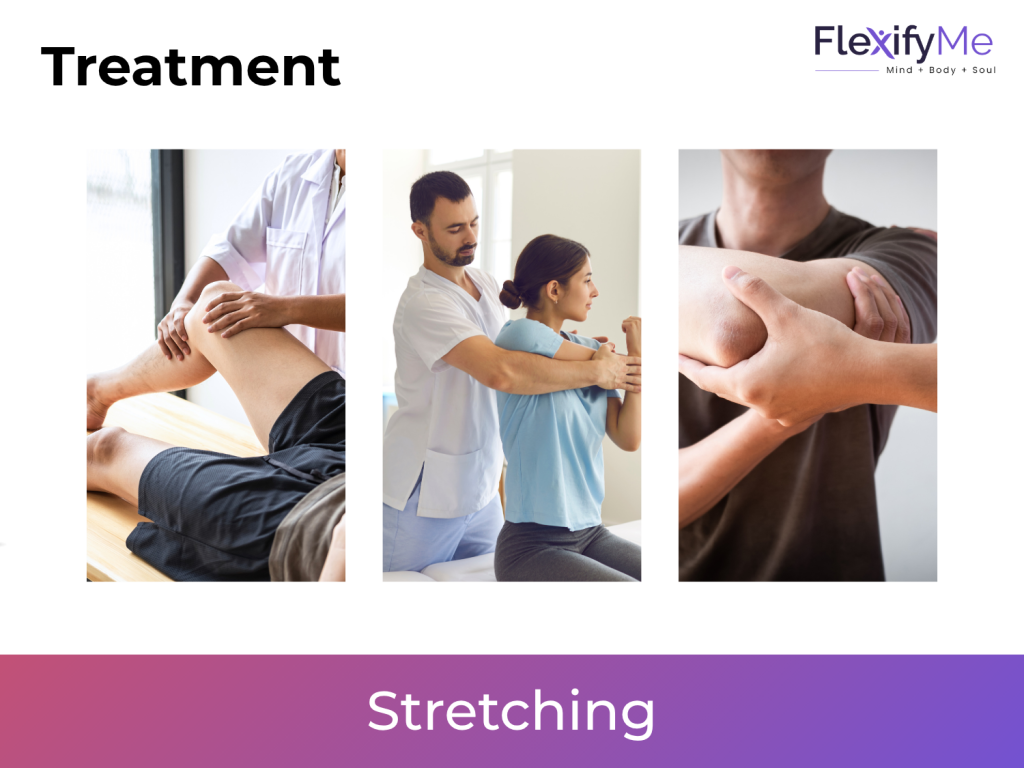
Here’s where the 7 Best Stretches for Plantar Fasciitis Relief come in. Stretching loosens the fascia itself and reduces tension in the calves and Achilles. The result? Less morning pain and better movement throughout the day.
Strengthening
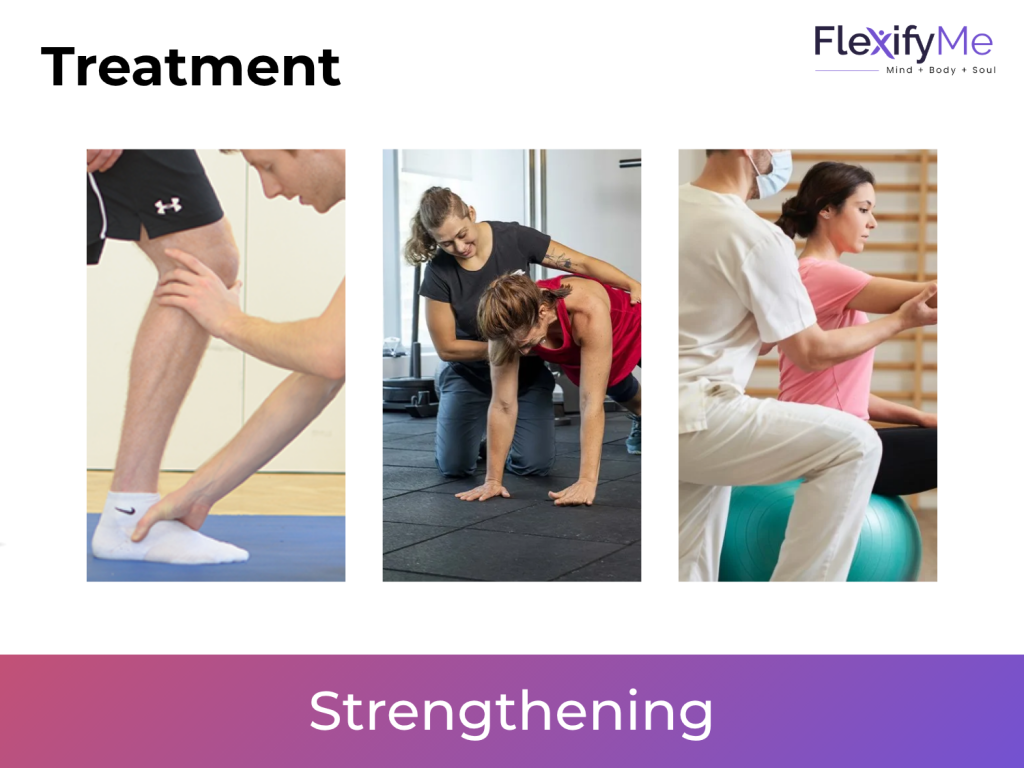
If stretching is one side of the coin, strengthening is the other. Weak calves or arches force the fascia to take on too much stress. By strengthening those areas, you reduce the chance of plantar fasciitis coming back.
No single treatment is magic. But together, they create a path that actually works.
Best Plantar Fasciitis Exercises for Pain Relief
Here’s the part you came for: the 7 Best Stretches for Plantar Fasciitis Relief. They’re easy to do at home.
Wall Calf Stretch

Stand against a wall. Step one foot back, press the heel into the floor, and lean forward. Hold 30 seconds. Switch sides. This loosens the gastrocnemius, the big calf muscle.
Morning Towel Stretch
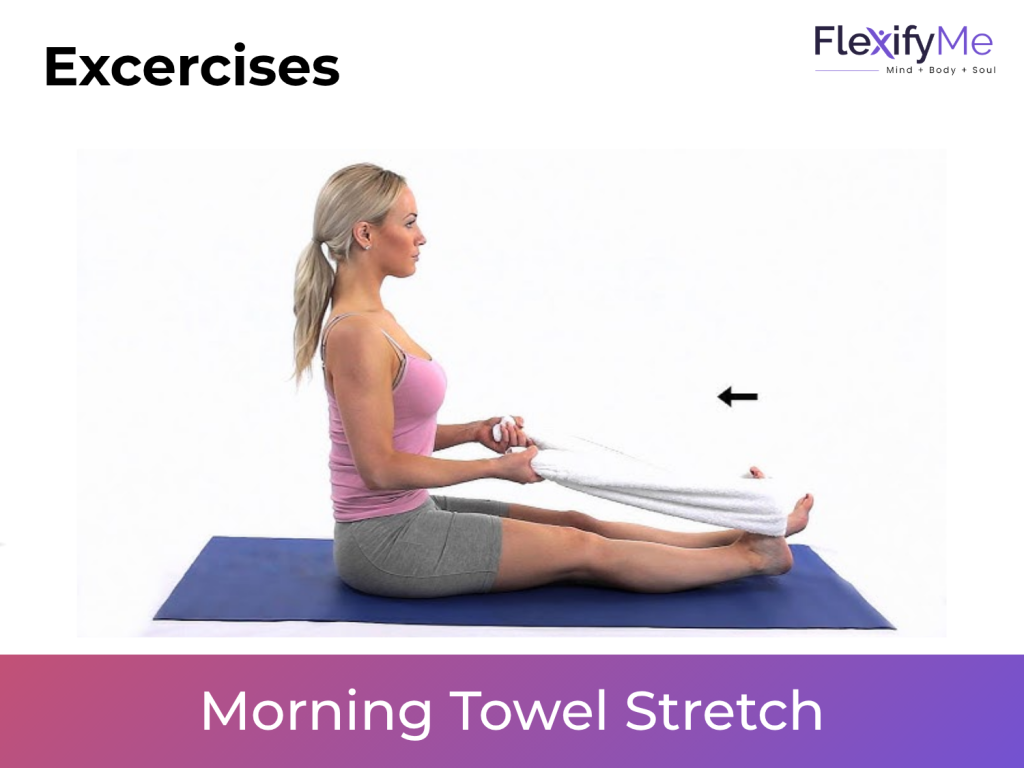
Still in bed? Perfect. Wrap a towel around the ball of your foot, pull gently toward you with your knee straight. Hold. This makes the brutal first step of the day less painful.
Plantar Fascia Stretch by Hand
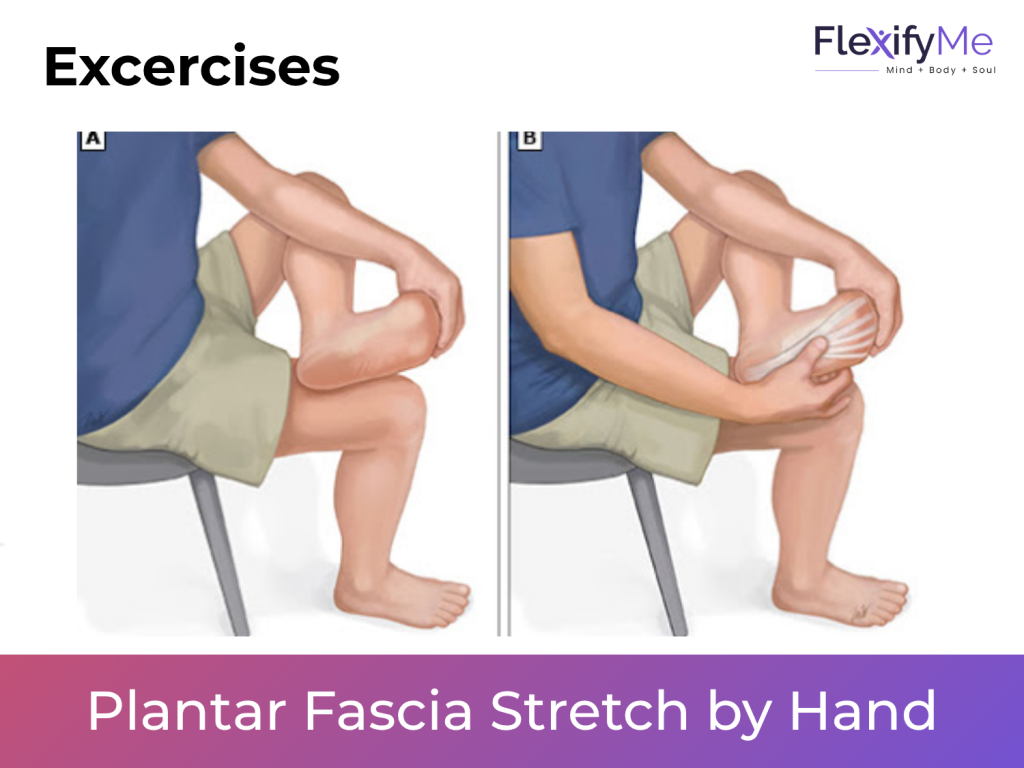
Sit, cross your ankle over your knee, and use your hand to pull your toes back toward your shin. You’ll feel the fascia lengthen along your arch.
Ball Roll Under the Foot
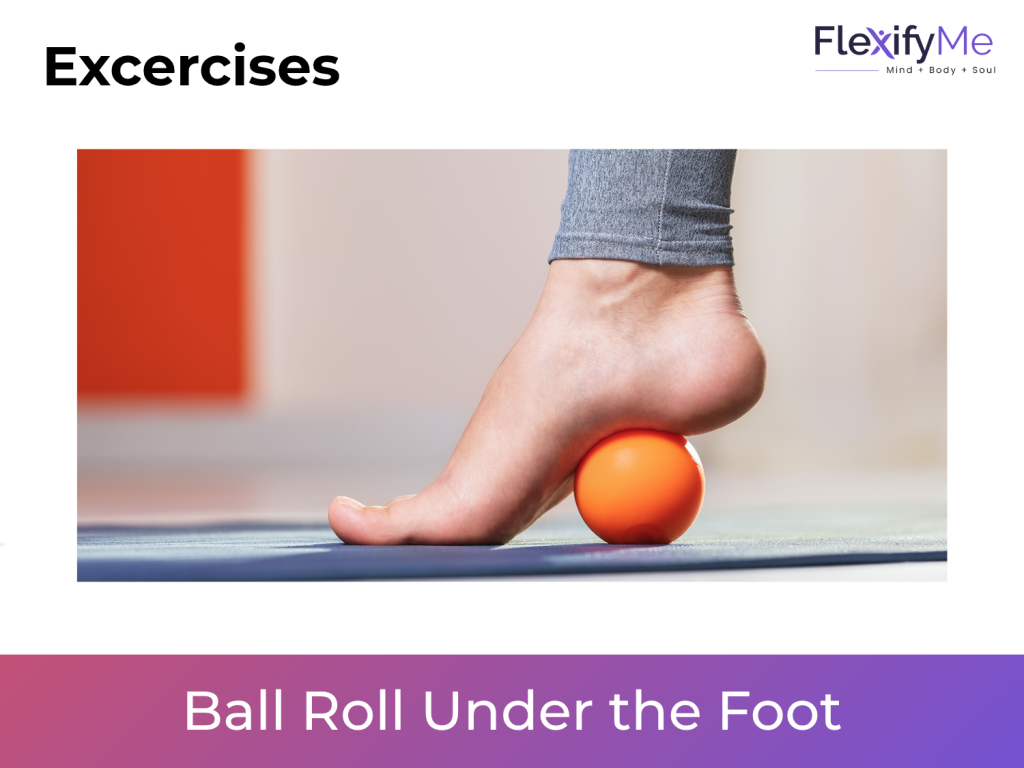
Use a tennis ball, lacrosse ball, or frozen bottle. Roll it under your arch for two to three minutes. This doubles as a massage and helps blood flow.
Bent-Knee Calf Stretch
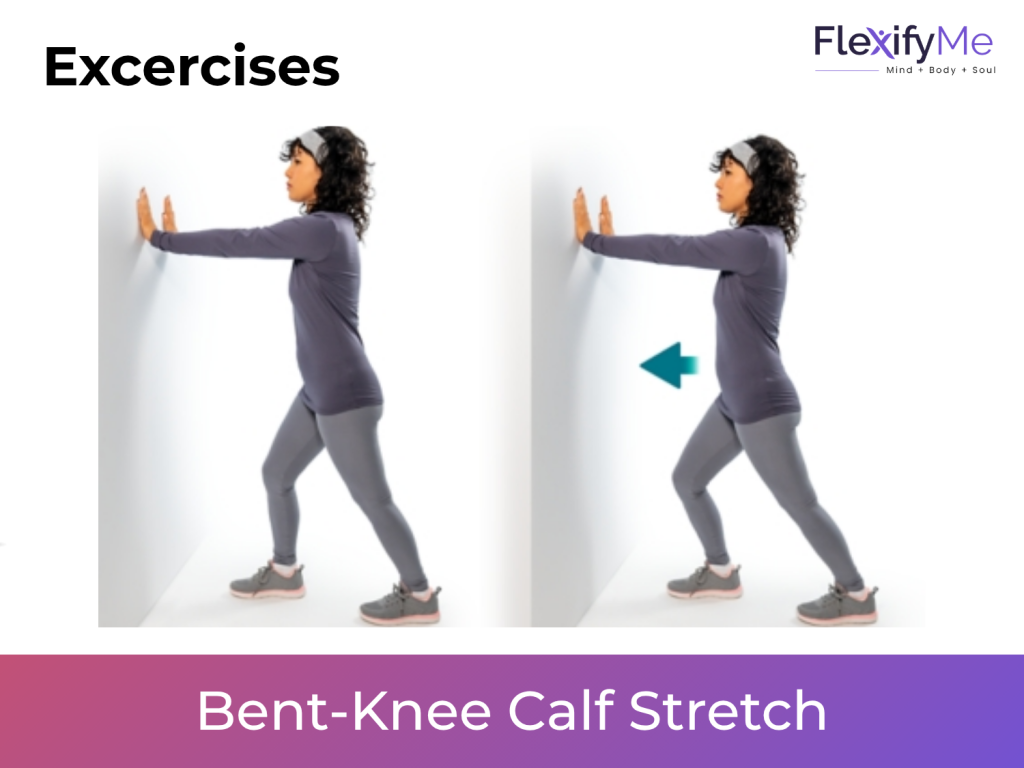
in Knee Calf Stretch Sit on the floor, knee slightly bent. Use a towel or strap around your foot to pull gently. This targets the soleus, a deeper calf muscle linked to fascia stress.
Achilles Stretch on a Step
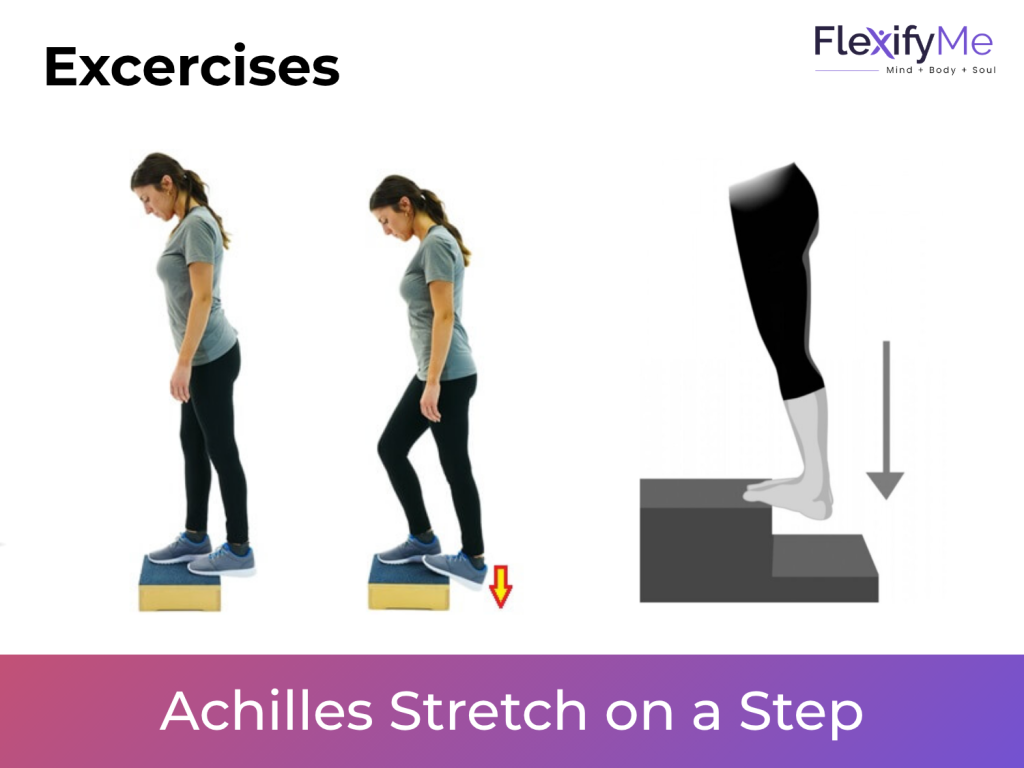
Stand with your heels hanging off a step. Lower slowly until you feel the stretch, then rise back up. It stretches and strengthens at the same time.
Towel Toe Curls
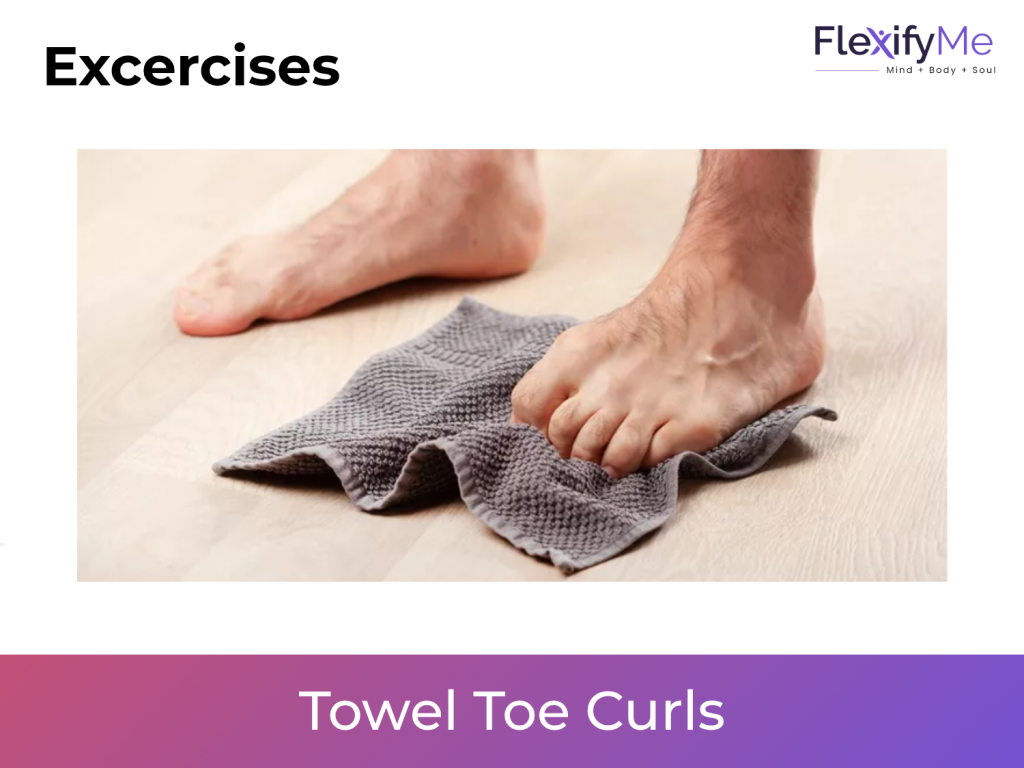
Place a towel on the floor, scrunch it toward you with your toes. It looks odd, but it strengthens the little muscles in your foot while stretching the fascia.
These stretches don’t take long, but consistency is key. Doing them once won’t fix much. Doing them daily, even a few at a time, helps the fascia calm down and heal.
Other Home Care Tips for Faster Recovery
Stretches are powerful, but they work even better when you combine them with small changes at home.
- Footwear: Shoes with arch support and cushioning take stress off the fascia. Worn-out shoes? Time to replace them.
- Ice: Rolling your foot over a frozen bottle after a long day reduces inflammation.
- Activity Swaps: Love running? Take a break and switch to cycling or swimming while your foot heals.
- Rest Breaks: Standing for hours? Try to sit down when you can. Short breaks are helpful too.
- Exercise: Calf raises, balancing exercises, and even just walking barefoot on safe surfaces may help you become more resilient.
When you do these things at home and the 7 Best Stretches for Plantar Fasciitis Relief, you will heal faster..
When to See a Physiotherapist
Most people try to deal with plantar fasciitis on their own first, and that makes sense. Stretches, better shoes, maybe some icing, it often helps. But if weeks pass and the pain is still following you around, it’s a sign you might need more help.
A physiotherapist is worth seeing when mornings are still brutal, or when walking through the day feels like you’re dragging a weight with every step. They can check whether the problem is truly plantar fasciitis or if something else is going on. They’ll also adjust stretches to fit your body, not just the generic versions you find online.
If you notice pain spreading into your arch, calf, or even up the leg, that’s another red flag. In short, if the pain lingers or worsens despite your effort, don’t wait; professional guidance can save months of frustration.
Final Thoughts
You may walk again without pain if you stretch regularly, take care of your house smartly, and see a physiotherapist when you need to. The 7 Best Stretches for Plantar Fasciitis Relief aren’t glamorous. They’re simple, repeatable, and they work.
The key is patience. Recovery doesn’t happen overnight. But keep at it, and one morning you’ll get out of bed, plant your feet on the ground, and realise, no stabbing pain. And that small victory is worth every stretch.
Frequently Asked Question for Plantar Fasciitis Pain
1. What is the best treatment for plantar fasciitis pain relief?
The best treatment combines physiotherapy, stretching exercises, orthotic footwear, and ice therapy. Physiotherapy treatments like manual therapy, ultrasound, and taping provide faster and longer-lasting relief.
2. How can I permanently get rid of plantar fasciitis?
Permanent relief comes from addressing the root cause — tight calf muscles, poor foot posture, or weak arches. Consistent physiotherapy, proper footwear, and regular stretching can eliminate pain and prevent recurrence.
3. What are the best home remedies for plantar fasciitis?
Top home remedies include:
- Rolling your foot over a frozen water bottle
- Stretching your calves and plantar fascia
- Wearing supportive shoes indoors
- Using orthotic insoles for arch support
These ease inflammation and improve flexibility over time.
4. How long does it take to heal plantar fasciitis naturally?
Recovery varies from 4 to 12 weeks, depending on severity and consistency with exercises and treatment. Physiotherapy accelerates the process by improving flexibility and correcting posture.
5. Is walking good or bad for plantar fasciitis?
Walking is safe if done with supportive shoes and minimal pain. Avoid walking barefoot or on hard surfaces, as it increases strain on the plantar fascia and worsens inflammation.
6. Can physiotherapy cure plantar fasciitis without surgery?
Yes, physiotherapy is the most effective non-surgical treatment. It includes stretching, strengthening, manual therapy, and advanced AI posture analysis to correct alignment and reduce strain on your heel.
7. Which exercises are most effective for plantar fasciitis relief?
High-impact exercises to avoid; instead, do:
- Calf and plantar fascia stretches
- Toe curls
- Towel scrunches
- Foot rolling on a tennis ball
These exercises increase flexibility and reduce heel pain naturally.
8. Why is plantar fasciitis pain worse in the morning?
Overnight rest tightens the plantar fascia. The first steps in the morning stretch the tissue suddenly, causing sharp heel pain. Morning stretches before standing can reduce discomfort.
9. What kind of shoes should I wear for plantar fasciitis?
Wear shoes with arch support, shock absorption, and a cushioned heel. Avoid flat or worn-out footwear. Brands offering orthotic or athletic designs are ideal for plantar fasciitis relief.
10. When should I visit a physiotherapist for plantar fasciitis?
If your heel pain lasts more than a week or interferes with daily activities, see a physiotherapist. Early physiotherapy helps prevent chronic heel pain and ensures faster recovery.


