
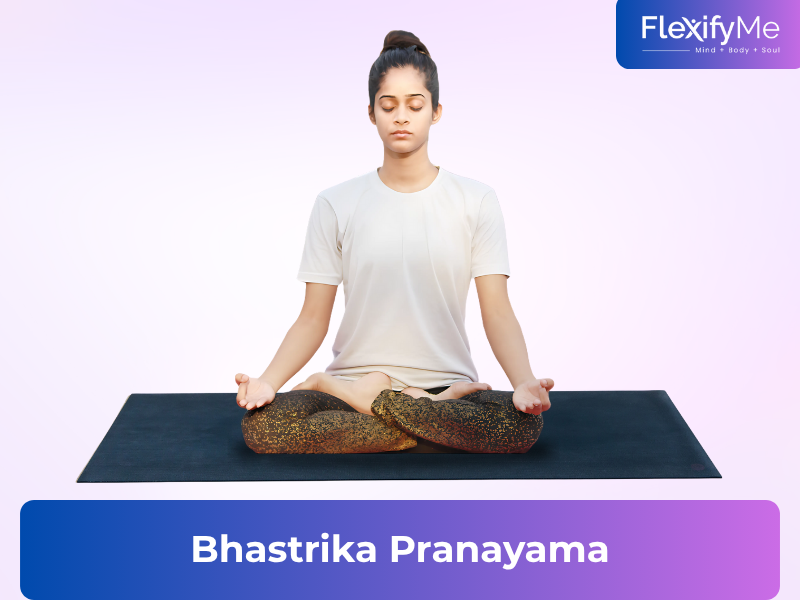

What is Bhastrika Pranayama?
Bhastrika Pranayama, also known as “Bellows Breath,” is a dynamic and energizing yogic breathing technique involving rapid, forceful inhalation and exhalation through the nose. Rooted in ancient yogic traditions, this powerful practice is known for its profound effects on both mind and body.
The Sanskrit Meaning
The word “Bhastrika” (भस्त्रिका) comes from the Sanskrit word “bhastra,” meaning bellows—the tool used to fan flames in a forge. This name symbolizes how air is pumped in and out of the lungs. Just as bellows intensify fire, Bhastrika fans the body’s internal fire (Agni), generating heat, energy, and vitality.
Ancient Origins in Yogic Texts
Bhastrika has its roots in ancient texts like the Hatha Yoga Pradipika (15th century) and is classified as one of the eight classical pranayamas. For centuries, yogis have used this technique to prepare for deep meditation, clear energy blockages (nadis), and awaken dormant spiritual energy (Kundalini). It’s also recommended in yogic detoxification practices for cleansing energy channels and supporting inner purification.
How Bhastrika Differs from Normal Breathing
Unlike passive, involuntary breathing, Bhastrika involves rapid and forceful breathing that activates the diaphragm and stimulates the entire respiratory tract:
Active and Forceful: Both inhale and exhale are performed with equal force and intensity.
Rapid and Rhythmic: Breath moves faster than normal—typically 1-2 breaths per second for beginners.
Diaphragm-Driven: Fully engages the diaphragm and abdominal muscles, expanding and contracting the lungs completely.
Heat-Generating: Creates internal warmth, stimulating circulation, metabolism, and vital energy (prana).
Energizing: Actively boosts vitality, alertness, and mental sharpness while clearing physical and mental blockages.
Whether you’re looking to enhance respiratory health, improve mental clarity, or seek deeper spiritual connection, Bhastrika Pranayam benefits are numerous. This practice transforms breathing from an unconscious function into a conscious tool for holistic well-being.
How to Do Bhastrika Pranayama (Step-by-Step)
Bhastrika Pranayama is an invigorating breathing exercise with several advantages. So, before getting into Bhastrika Pranayam benefits, let’s see how to practice it safely and effectively.
1. Preparation:
- This practice is best when done early in the morning on an empty stomach.
- Pick a quiet and well-ventilated space.
- Now sit comfortably in Sukhasana (crossed legs). If you are not comfortable with Sukhasana, you can sit in Vajrasana (diamond pose).
- Keep your spine straight, shoulders relaxed, and eyes gently closed.
2. Breathing Technique:
- Take a deep and forceful breath through your nose. You can feel your chest fully expanded.
- Now, exhale immediately with full force through your nose, contracting your abdominal muscles.
- Make sure each inhale and exhale sounds like a “huff” with equal duration.
3. Pace and Duration
- Initially, start with one round of 10-15 breaths, then rest with normal breathing for 30 seconds.
- And gradually increase it to three rounds, with a rest between each round.
- Begin with 1-2 breaths per second, then increase the pace as you find comfort.
4. After Practice
- Once you’re done with practice, sit quietly and observe the effects.
- Return to normal breathing and stay in meditation or silence for a few minutes.
Bhastrika Pranayama Benefits
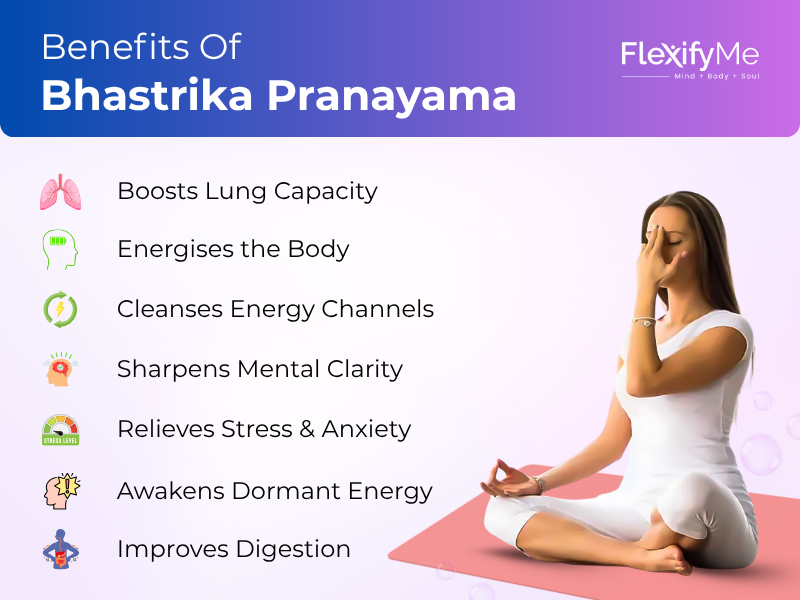
Bhastrika Pranayama is more than just a breathing technique; it is a powerful practice that deeply revitalises the whole body and mind. So, here are some Bhastrika Pranayam benefits discussed in detail.
Physical Benefits
- Improves Lung Function
Bhastrika Pranayam engages the diaphragm and intercostal muscles that expand the lung capacity. The rigorous breathing leads to enhanced oxygen intake and carbon dioxide expulsion. It also helps clear the mucus from the respiratory tract.
- Boosts Circulation and Oxygen Supply
One of the significant Bhastrika Pranayam benefits is that it enriches the oxygen content in the blood. This results in enhanced functioning of vital organs. It also improves the circulation, leading to better cellular health and skin tone.
- Supports Detoxification
Bellows breathing generates internal heat in the body. This helps to flush out toxins through breath and sweat. Additionally, it also stimulates the digestive fire, which helps to improve metabolism and digestion.
- Strengthens the Nervous System
The breathing pattern in this exercise activates and balances the sympathetic and parasympathetic nerves. With regular practice, it can also help regulate blood pressure and heart rate.
- Improves Immunity
Another one of the important Bhastrika Pranayam benefits is improving immunity. Through enhancing pranic flow and balancing the body’s systems, it helps to develop stronger resistance against illness.
Mental Benefits
- Reduces Stress and Anxiety
The rhythmic and forceful breathing in this technique calms the mind and clears emotional blockages. It also balances the autonomic nervous system, reducing the fight-or-flight response.
- Enhances Mental Clarity and Focus
Another Bhastrika Pranayam benefit is that it brings more oxygen to the brain, which helps in sharpening memory, alertness, and concentration. In addition to that, it also helps to reduce mental fatigue.
- Elevates Mood
The energising nature of the Bellows breath releases natural endorphins and serotonin levels. This helps to uplift mood while combating symptoms of mild depression.
- Improves Sleep Quality
Insomnia is one of the most common problems amongst people today. Bhastrika Pranayam benefits by calming the nervous system and releasing tension, which helps to promote sleep and alleviates insomnia.
Spiritual Benefits
- Prepares the Mind for Meditation
Bhastrika Pranayama settles restlessness and makes the mind more focused. This creates a steady foundation for deep meditation and mindfulness practices.
- Cleanses Energy Channels
This breathing exercise promotes the flow of prana by clearing energy blockages. This especially works with energy channels like ida, pingala and sushumna.
- Balances the Chakras
Bhastrika Pranayama stimulates Manipura chakra (solar plexus). This helps boost confidence, personal power and inner will.
- Awakens Kundalini Energy
Bhastrika Pranayam benefits in stimulating energy at the base of the spine and moves it upwards. This helps to open chakras and enhance spiritual awakening.
Who Should Avoid Bhastrika? (Contraindications)
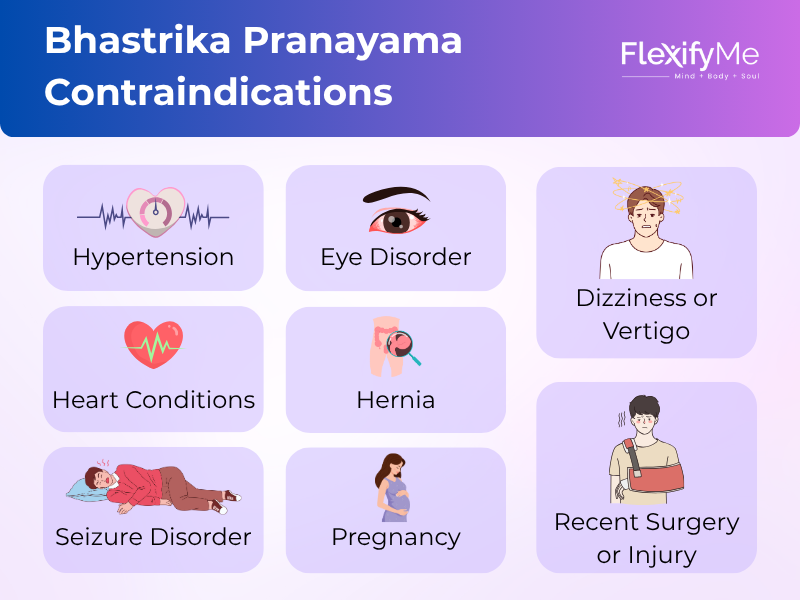
Though there are countless Bhastrika Pranayam benefits, its powerful and energising techniques may not suit everyone. Thus, people with certain conditions must avoid or modify the practice to ensure safety.
Hypertension
Bhastrika involves vigorous breathing, which can cause a sudden spike in blood pressure. This also puts strain on the heart and blood vessels. Hence, it is advised to practice under an expert’s supervision only after being approved by a physician.
Heart Conditions
The increased demand on the cardiovascular system can trigger arrhythmias or exacerbate conditions like angina or heart failure. It can cause chest pain, palpitations, breathlessness, fatigue or increased cardiac stress. So, for people with heart conditions, it’s better to practice gentle breathing exercises.
Seizure Disorder
The hyperventilation aspect of Bhastrika can alter the oxygen-carbon dioxide balance in the brain. This can provoke seizures in people with epilepsy. It can also cause disorientation or loss of consciousness. Avoid it completely until a green signal is given by your neurologist.
Eye Disorder
People with eye conditions like glaucoma must also avoid it. The forceful nature of breath, especially combined with breath retention, can raise the pressure in the eye. This could damage the optic nerve in glaucoma patients. Thus, it is better to practice gentle pranayamas like Anulom Vilom.
Hernia
Bellows breathing involves abdominal contractions, which may strain weak or torn muscle tissues. This can elevate hernia protrusion or pain. So, avoid it completely until surgically corrected and healed.
Pregnancy
The strong abdominal movement of this pranayama can cause uterine pressure and stress. This can cause uterine contraction or harm fetal development. Thus, pregnant women should avoid this and practice some gentle breathing exercises only under guided supervision.
Dizziness or Vertigo
The rapid breath exchange in Bhastrika can cause lightheadedness or disorientation. This can happen especially to people with inner ear issues or vestibular imbalance. One can also experience nausea or instability, or might faint and fall during practice. So, individuals with this problem can avoid this pranayama and try grounding breath practices.
Recent Surgery or Injury
Bhastrika requires full-body engagement, especially of the diaphragm, abdomen and chest. Thus, individuals with recent surgery or injuries must avoid it as it can interfere with healing tissues. Not just that, in case of surgeries, it may cause tearing of stitches, internal bleeding or pain. So don’t practice it until fully recovered and have been cleared by a medical professional.
Common Mistakes & How to Avoid Them
Being aware of common pitfalls will help you practice Bhastrika Pranayama safely and effectively.
Breathing Too Fast Too Soon
Starting with rapid, forceful breaths can lead to hyperventilation and dizziness.
How to Avoid: Begin with slow Bhastrika at one breath every 2-3 seconds. Gradually increase your pace over several weeks as your body adapts.
Incorrect Posture
Slouching restricts the diaphragm and reduces lung expansion, compromising effectiveness and causing strain.
How to Avoid: Keep your spine naturally straight and shoulders relaxed. Sit on a cushion if needed to elevate your hips above your knees.
Shallow Chest Breathing
Breathing only from the upper chest limits oxygen intake and reduces benefits.
How to Avoid: Engage your full respiratory system—expand your ribcage in all directions. Place your hands on your belly and chest to ensure both areas move with each breath.
Unequal Inhalation and Exhalation
Creating an imbalance between inhale and exhale disrupts the rhythm and energy flow.
How to Avoid: Both inhalation and exhalation should be equally forceful and equal in duration. Count mentally to maintain symmetry.
Practicing on a Full Stomach
Attempting Bhastrika after eating causes nausea, cramping, or discomfort due to vigorous abdominal movements.
How to Avoid: Practice only on an empty stomach. Wait at least 3-4 hours after a full meal or 2 hours after a light snack.
Skipping Rest Periods
Jumping from one round to the next without rest can lead to exhaustion or overstimulation.
How to Avoid: After each round of 10-15 breaths, return to normal breathing for 30-60 seconds. This integration period is crucial for absorbing the practice’s effects.
Tensing Face and Shoulders
Unconsciously clenching your jaw or raising your shoulders creates unnecessary tension.
How to Avoid: Keep your facial muscles relaxed, jaw loose, and shoulders low throughout the practice.
Forcing Beyond Capacity
Pushing too hard causes strain and adverse effects rather than energizing benefits.
How to Avoid: Start with one round of 10 breaths and gradually build up. If you feel dizzy or uncomfortable, stop immediately and return to normal breathing.
Ignoring Contraindications
Practicing despite having conditions like high blood pressure or heart problems can be dangerous.
How to Avoid: Honestly assess your health status. Consult with your healthcare provider and a certified yoga instructor if you have any contraindications.
Bhastrika Pranayama Variations
While the traditional Bhastrika Pranayama is known for forceful and rhythmic inhalations and exhalations, yogic masters have developed some modifications so that everyone can get its benefits.
Slow Bhastrika
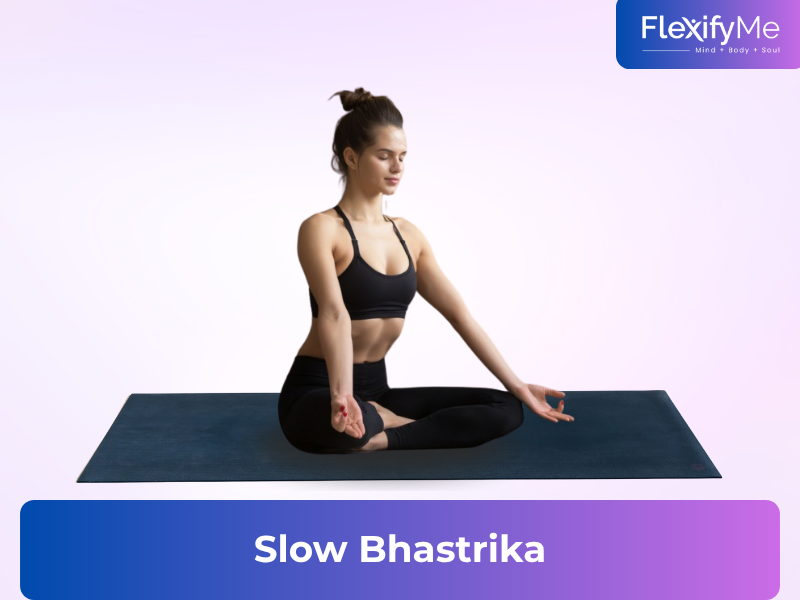
The slow bhastrika gently introduces the body to the rhythm of this dynamic exercise without strain. Here are the steps.
- Sit in sukhasana and inhale and exhale through your nose with slow and moderate force.
- Use only the chest and upper lungs to breathe calmly with slight exaggeration.
- Do only 10-15 breaths per round and do only one or two rounds maximum.
Surya Bhastrika
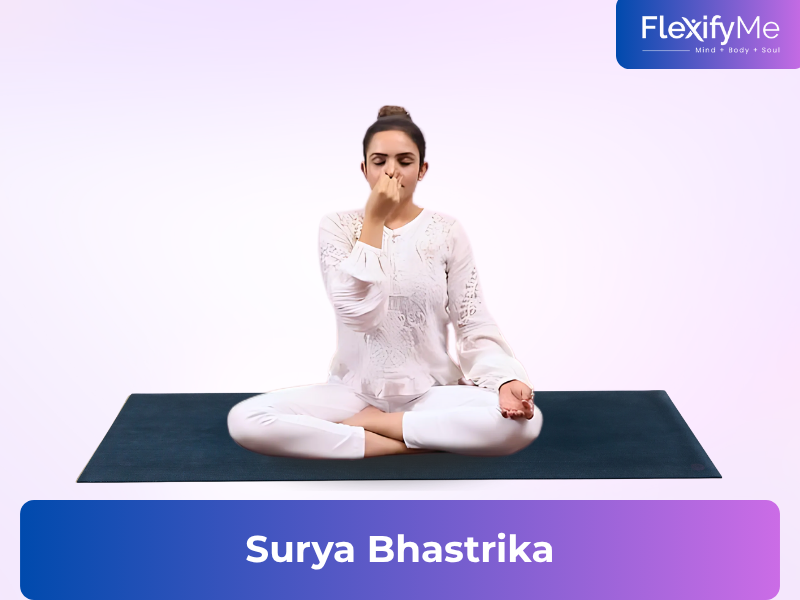
Surya Bhastrika uses the right nostril, and this is best performed in the morning or when feeling cold or sluggish. Here’s how to do it to attain Bhastrika Pranayam benefits fully.
- Sit in sukhasana, close your left nostril with your right hand’s ring finger and little finger.
- Perform forceful inhalation and exhalation through the right nostril.
- Continue for 10-15 breaths and relax. You can repeat it for 1-3 rounds.
Chandra Bhastrika
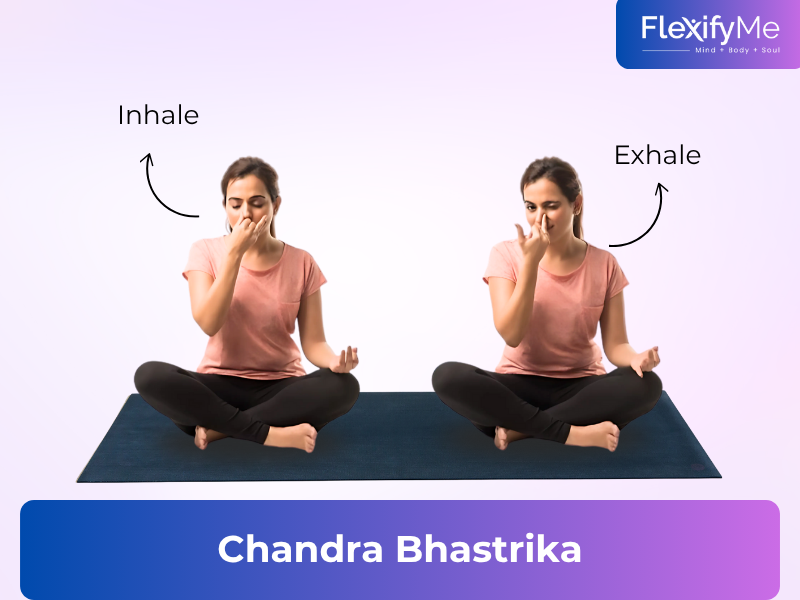
Chandra Bhastrika is a calming and soothing pranayama. Unlike Surya Bhastrika, this is done through the left nostril. Take a look at the steps.
- Sit in sukhasana and close your right nostril with your thumb.
- Now forcefully breathe in and out through your left nostril, using your diaphragm and abdomen.
- You can perform one to three rounds with 10-15 breaths in each round.
Bhramari Pranayama
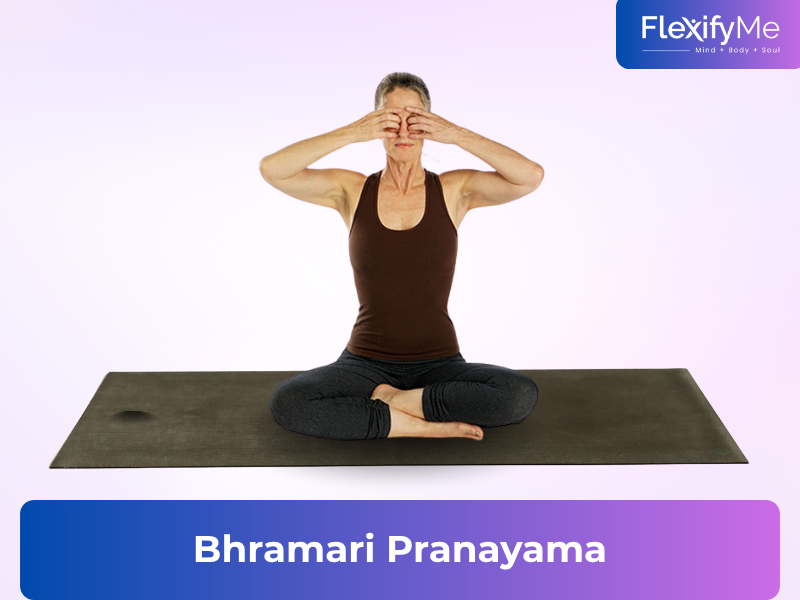
Bhramari Pranayam is an excellent exercise for relieving stress, tension and anxiety. You can do this at night or before meditation. This is how you can do it.
- Sit in sukhasana with your eyes closed.
- Now, place your index fingers on the cartilage of your ears.
- Take a deep breath through your nose.
- While breathing out, softly press the cartilage of your ears inward and create a gentle humming sound — something like a buzzing “mmm,” similar to a bee.
- Feel the vibration in your head, forehead and heart area.
- Repeat it for 5-7 rounds and gradually increase to 10 rounds.
Bhastrika Pranayama: Preparatory Poses
To gain maximum Bhastrika Pranayam benefits, one has to sit comfortably in a meditative pose with a straight spine. Here are some preparatory poses for Bhastrika Pranayam that will help to facilitate effective breath control and energy flow.
Padmasana
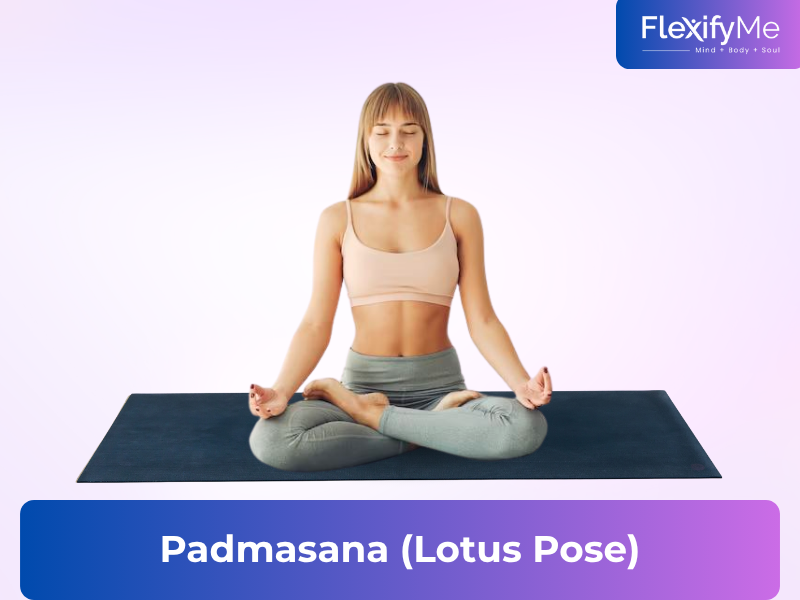
If you have the flexibility and comfort, sit in padmasana. Here you have to sit legs crossed with your feet placed on opposite thighs. This ensures proper diaphragm movement during breathing.
Sukhasana
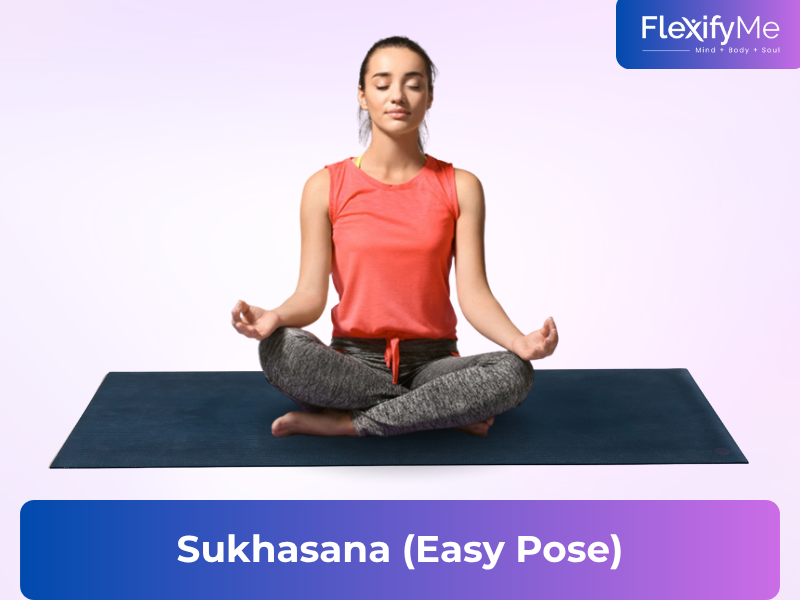
Sukhasana is a comfortable meditative pose where you simply sit with your legs crossed. It is easier for beginners and individuals with less flexibility. It also helps maintain the spine straight.
Vajrasana
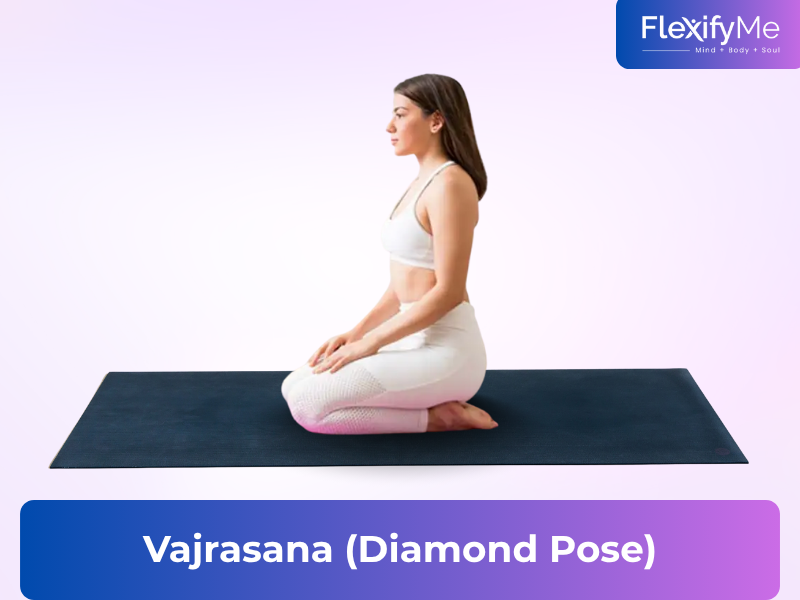
Vajrasana, also known as diamond pose or thunderbolt pose, is also recommended sometimes. This is best for people who are not comfortable sitting cross-legged. Here you have to sit back on your heels with your thighs perpendicular to the floor.
Siddhasana
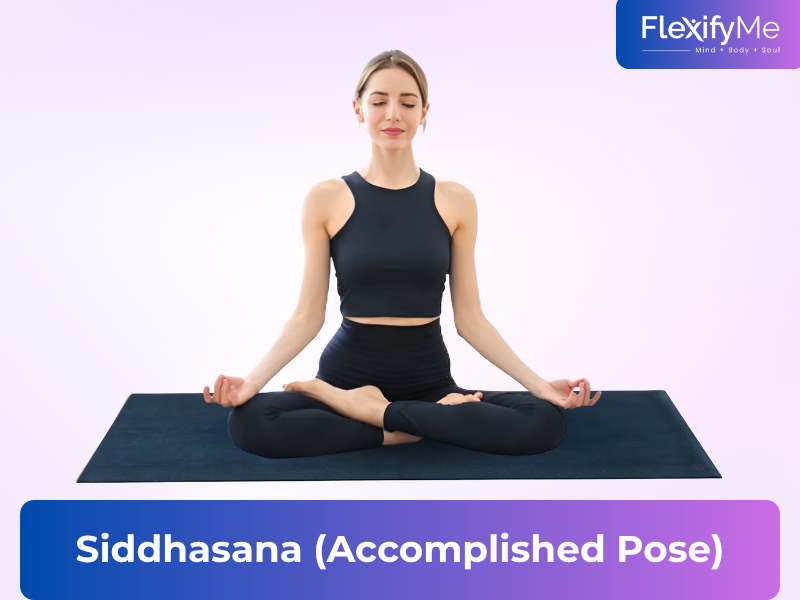
Siddhasana is another meditative pose suitable for pranayama. This pose requires one to sit with legs crossed, and one heel pressing the perineum. And the other heel must be placed on top of the first.
Bhastrika Pranayama: Relaxing Follow-up Poses
After practising the energising and heat-generating asana, it’s essential to bring the body and mind back into a calm state. The following are some relaxing poses that will help regulate the nervous system, soothe the breath, and absorb all the Bhastrika Pranayam benefits.
Savasana (Corpse Pose)
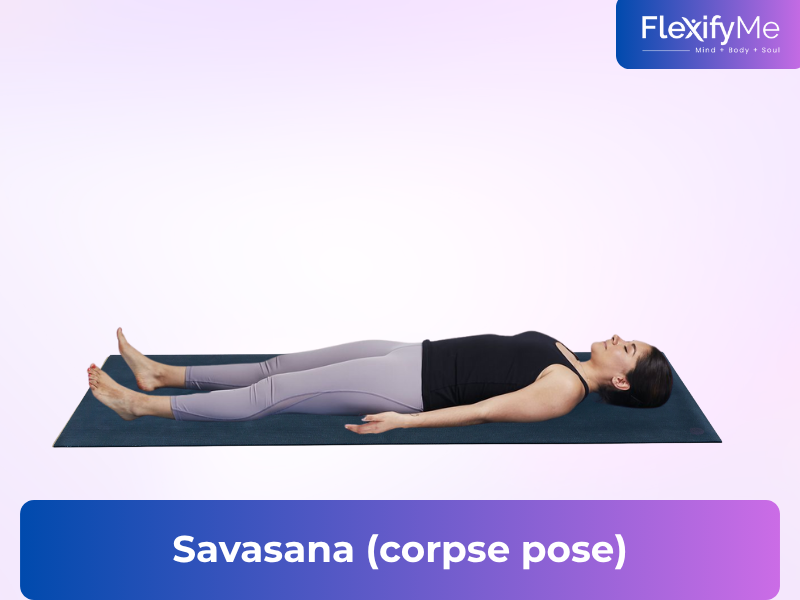
Savasana can be a final relaxation that integrates all the effects of pranayama. It deeply calms the body and mind.
How to do:
Lie flat on your back with your arms and legs slightly apart. Then close your eyes and relax every part of your body. Remain there for 5-10 minutes.
Balasana (Child’s Pose)
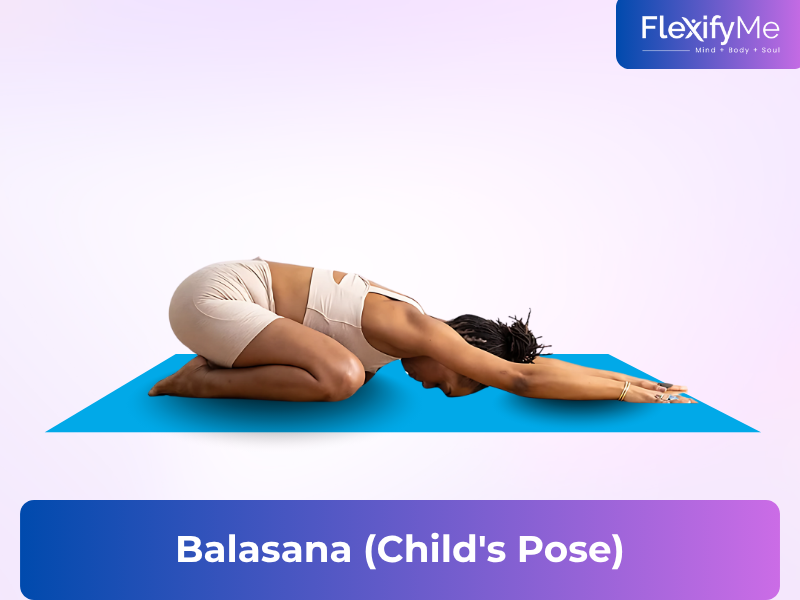
Balasana gently stretches and relaxes the nervous system. It also helps to slow the breath and heart rate.
Steps to do:
Sit on your heels, fold forward from your waist. Rest your forehead on the mat with arms extended or alongside your body. And breathe deeply for 1-2 minutes.
Makarasana (Crocodile Pose)
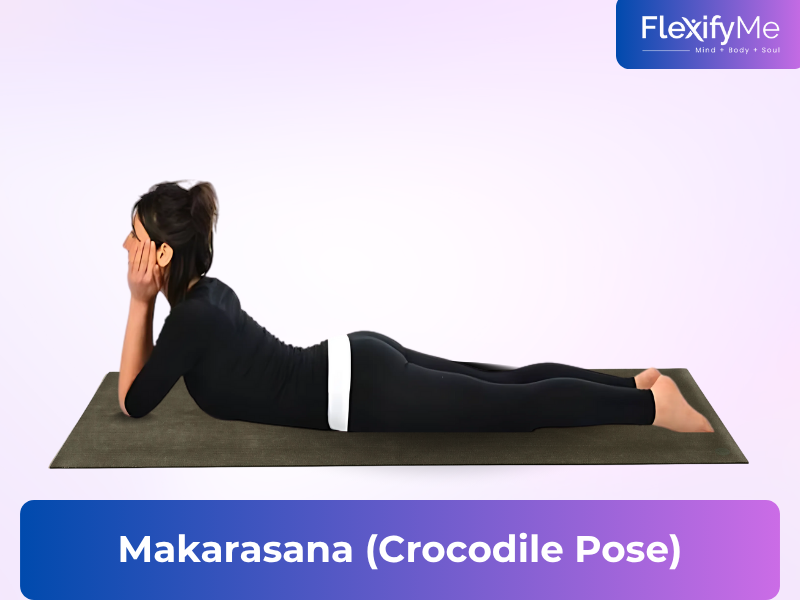
Makarasana encourages abdominal breathing and full-body relaxation.
How to perform:
Lie down on your belly with your chin or forehead on stacked hands. Elbows point outward. Let the whole body relax for 1-2 minutes.
Best Time to Practice Bhastrika
Timing significantly affects the benefits of Bhastrika Pranayama. Here’s when to practice for optimal results.
Early Morning: The Optimal Time
Time Window: 5:00 AM – 7:00 AM
Early morning is the best time for Bhastrika Pranayama. The atmosphere is calm, your stomach is empty, and your mind is naturally quiet after sleep.
Benefits:
- Unrestricted diaphragm movement on an empty stomach
- Enhanced mental clarity and concentration
- Energizes you for the entire day
- Cooler air ideal for this heat-generating practice
Late Morning Alternative
Time Window: 9:00 AM – 11:00 AM
If early morning isn’t feasible, late morning works well if you haven’t eaten heavily.
Best For: People with demanding morning routines or whose work allows for a late morning break.
Note: Ensure at least 2-3 hours have passed since breakfast.
Evening Practice (With Caution)
Time Window: 5:00 PM – 7:00 PM
Evening practice provides stress relief and a second wind after work, but requires careful planning.
Important Considerations:
- Practice at least 3-4 hours after lunch
- Avoid practicing after 8:00 PM as it may disrupt sleep
- The energizing effects can interfere with bedtime relaxation
Times to Avoid
After Meals
Wait 3-4 hours after a full meal. Practicing on a full stomach causes nausea and restricts diaphragm movement.
Late Night (After 9:00 PM)
Bhastrika is highly energizing and will disrupt your sleep patterns.
After Intense Exercise
Wait at least 1-2 hours after strenuous physical activity.
Creating Your Practice Schedule
For Beginners:
- Morning practice 3-4 times per week
- 3-5 minutes per session
- Maintain consistency in timing
For Intermediate Practitioners:
- Daily morning practice of 5-10 minutes
- Optional evening session 2-3 times per week (before 7:00 PM)
For Advanced Practitioners:
- Daily morning practice of 10-15 minutes
- Multiple sessions if needed with proper rest
Seasonal Adjustments
Spring/Summer: Practice earlier (5:00-6:00 AM) to avoid heat. Keep sessions shorter.
Fall/Winter: Can practice slightly later (6:00-7:00 AM). May extend practice duration.
For Working Professionals
If morning practice is impossible:
- Practice 10-15 minutes before leaving for work
- During lunch break (2+ hours after eating)
- First thing after returning home (before dinner)
Remember: The best time to practice is the time you can commit to consistently. While early morning is ideal, a regular evening practice is better than an inconsistent morning one.
Conclusion
Bhastrika Pranayama is a powerful and transformative yogic pose that offers multiple advantages. From boosting lung capacity and oxygenating the body to mental clarity, balancing emotions and energising the nervous system, Bhastrika Pranayama benefits are innumerable.
The Bellows breath serves as a holistic tool when practised regularly with proper awareness. And to get Bhastrika Pranayama benefits, honour your body’s limit and adapt the practice according to your unique needs. For those with medical conditions, proper guidance can ensure safety and effectiveness.
Top FAQs for Bhastrika Pranayama Benefits
1. How many times a day should I practice Bhastrika Pranayama?
Practice Bhastrika once daily in the morning for optimal results. Advanced practitioners may add a second session in the evening (before 7 PM) 3-4 times per week. Each session should last 5-15 minutes depending on your experience level. Avoid multiple sessions daily as beginners, as this can overstimulate the nervous system and cause exhaustion.
2. Can Bhastrika Pranayama damage or weaken the lungs?
No, when practiced correctly, Bhastrika strengthens rather than damages the lungs. Scientific studies show it improves lung capacity, vital capacity (FVC), and forced expiratory volume (FEV1). However, elderly individuals or those with existing lung conditions should practice slower-paced Bhastrika under expert guidance to avoid strain from excessive force or speed.
3. Should I practice Bhastrika Pranayama on an empty stomach or after eating?
Always practice Bhastrika on an empty stomach—wait at least 3-4 hours after a full meal or 2 hours after a light snack. Practicing after eating causes nausea, cramping, and restricts diaphragm movement due to the vigorous abdominal contractions involved. Early morning (5-7 AM) before breakfast is ideal.
4. What is the correct breathing technique—chest or abdomen for Bhastrika?
Traditional Bhastrika uses diaphragmatic (abdominal) breathing with both chest and abdomen engaged. Inhale forcefully expanding both belly and chest, then exhale forcefully contracting the abdomen. Some traditions emphasize chest breathing, but most authentic yogic texts recommend full diaphragmatic engagement for maximum lung expansion and proper technique.
5. How long does it take to see results from Bhastrika Pranayama practice?
Most practitioners notice immediate effects like increased energy and mental clarity within the first session. For sustained benefits—improved lung function, reduced anxiety, better digestion—practice daily for 3-4 weeks minimum. Significant long-term benefits like enhanced immunity, hormonal balance, and cardiovascular improvements typically manifest after 2-3 months of consistent practice.
6. Is Bhastrika Pranayama better for energy than drinking coffee?
Yes, Bhastrika provides natural, sustained energy without caffeine’s side effects. Often called “yogic cappuccino,” it increases oxygen supply, boosts circulation, and stimulates the nervous system naturally. Unlike coffee which can cause jitters, crashes, and dependency, Bhastrika enhances alertness while balancing the nervous system. Effects last 3-4 hours without energy crashes.
7. Can beginners practice Bhastrika Pranayama without a teacher?
Beginners can learn basic, slow-paced Bhastrika independently using reliable videos or instructions. However, proper technique is crucial—incorrect practice causes dizziness, hyperventilation, or strain. Ideally, attend at least 2-3 sessions with a certified yoga instructor to learn correct posture, breath rhythm, and safety guidelines before practicing alone at home.
8. Why do I feel dizzy or lightheaded during Bhastrika Pranayama?
Dizziness occurs from hyperventilation—breathing faster than your body can handle, causing oxygen-carbon dioxide imbalance in the brain. To prevent: slow down your breathing pace, reduce the force of breaths, take longer rest periods between rounds, and start with only 10 breaths per round. If dizziness persists, stop immediately and return to normal breathing.
9. How is Bhastrika Pranayama different from hyperventilation?
While both involve rapid breathing, Bhastrika is controlled, rhythmic, and balanced with equal forceful inhalation and exhalation, followed by breath retention and rest periods. Hyperventilation is uncontrolled, irregular breathing that depletes carbon dioxide. Bhastrika practiced correctly balances oxygen-carbon dioxide levels and activates both sympathetic and parasympathetic nervous systems, while hyperventilation causes harmful physiological stress.
10. Can Bhastrika Pranayama help with panic attacks and clinical anxiety?
Yes, scientific research shows Bhastrika significantly reduces anxiety symptoms. A randomized controlled trial found 4 weeks of Bhastrika practice significantly decreased state anxiety and negative affect by modulating brain regions involved in emotional processing (amygdala, prefrontal cortex). However, it should complement, not replace, professional treatment. Those with severe anxiety disorders should practice only under combined guidance of mental health professionals and certified yoga instructors.


