
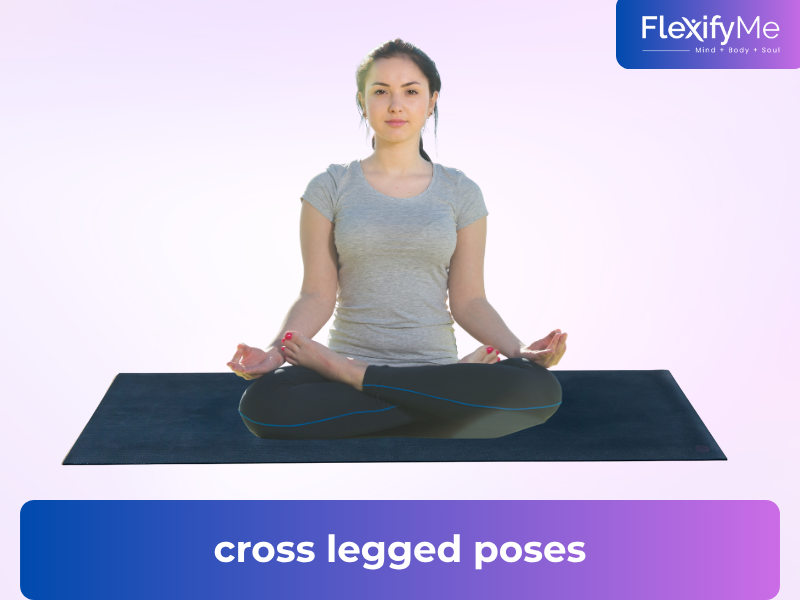

The cross legged poses is a classic seated yoga posture with traditional uses in meditation. It is a grounding position associated with stillness, being present, and maintaining physical orientation. While this position may seem simple to execute, it involves a subtle combination of muscular engagement, awareness of your spine, and control of your breath.
The crossed leg positions has been formally adopted since ancient times by monks, sages, and aspirants to deepen inner work and generate inner stillness and focus. It remains a valuable posture for cultivating wellness. It allows practitioners to foster a deeper mind-body connection.
If you meditate, chant, or practice pranayama, the cross-legged pose allows for a calm, focused state of mind for inner work. When you maintain this position with proper technique and awareness of its benefits, it can help to enhance your practice greatly.
The Cross Legged Pose in Spiritual and Yogic Traditions
The cross-legged pose has both religious and practical importance in spiritual, yogic, and meditative traditions.
1. In Classical Yoga Philosophy
- Provides a base for further work in pranayama and meditation
- It symbolises stillness, self-control, and focus inwards
- Used in Raja Yoga as a seat for mental and energetic control.
2. In Buddhist Practices (Zazen and Vipassana)
- Encourages equanimity and present-moment observation
- Supports long sitting periods with stable posture
- Helps in cultivating non-reactivity through body stillness.
3. In Hindu Rituals and Chanting
- Practised during sacred rituals, prayers, and scriptural study
- Viewed as an auspicious seat that anchors spiritual energy
- Reflects devotion, receptivity, and humility.
Cross Legged Poses and Their Benefits
1. Sukhasana (Easy Pose)
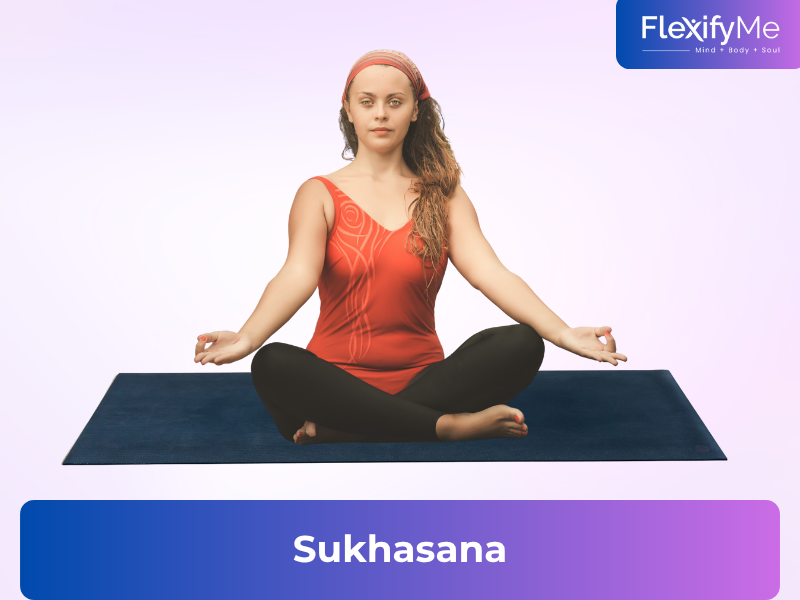
Sukhasana, or Easy Pose, is often the first seated pose taught in yoga. Though its name suggests ease, it requires careful alignment and presence.
Steps to follow:
- Sit with your legs extended in front of you.
- Cross one shin in front of the other without stacking them.
- Allow knees to drop gently to the sides.
- Sit tall, ensuring the spine is upright.
- Rest your hands on your knees or thighs.
Benefits of Sukhasana:
- Supports a relaxed yet attentive posture.
- Reduces anxiety and mental agitation.
- Opens the hips gently and gradually.
- Ideal for beginners or long meditation sessions.
2. Padmasana (Lotus Pose)
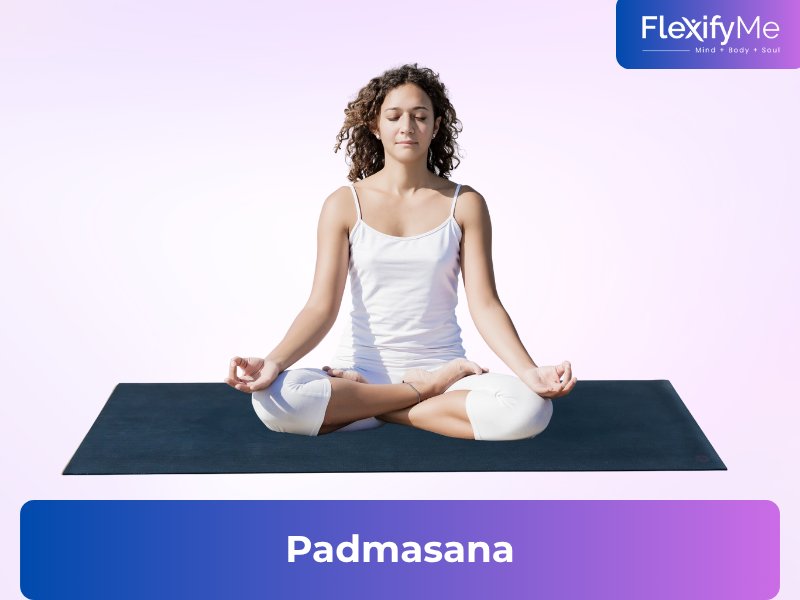
Padmasana is one of the most recognisable seated poses in yogic traditions. It is often used in advanced meditation and breathwork. However, it requires substantial flexibility and patience.
Steps to follow:
- Start seated with legs extended.
- Bend the right knee, placing the foot on the left thigh.
- Then bend the left knee, placing the foot on the right thigh.
- Aim to keep both knees close to the floor while maintaining an upright spine.
- Hands may rest on knees in Jnana or Chin Mudra.
Benefits of Padmasana:
- Deepens meditation by stabilising the body.
- Stimulates the pelvis, spine, abdomen, and bladder.
- Encourages optimal alignment for pranayama.
- Energises the chakras, especially the root and crown.
3. Ardha Padmasana (Half Lotus Pose)
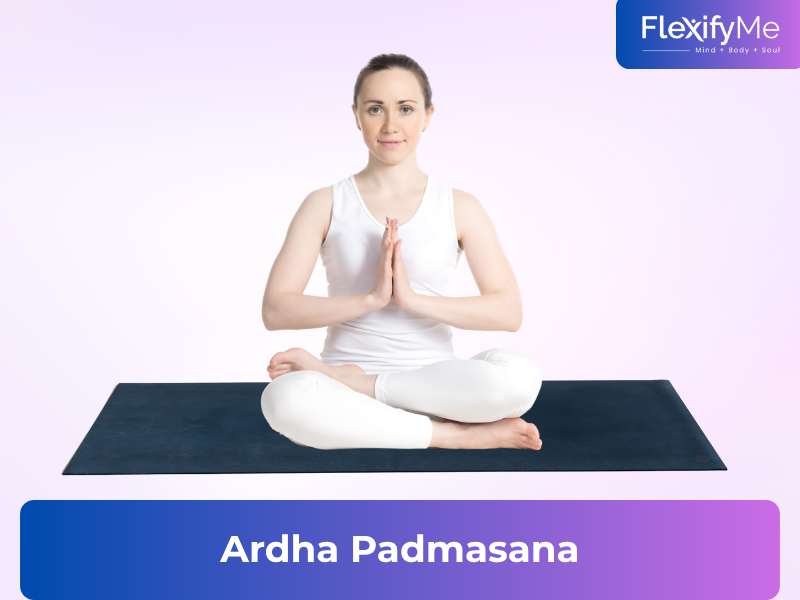
Ardha Padmasana is a more accessible version of Lotus Pose. It provides many of the benefits of Padmasana while accommodating reduced hip mobility. It’s a helpful pose for practitioners working towards full Lotus.
Steps to follow:
- Sit with legs outstretched.
- Bend the right leg and place the foot on the opposite thigh.
- Tuck the left foot under the right knee.
- Keep the spine long and shoulders relaxed.
Benefits of Ardha Padmasana:
- A gentler alternative to full lotus.
- Promotes pelvic stability and spinal alignment.
- Prepares the body for deeper meditative states.
- Encourages breath regulation and inward focus.
4. Siddhasana (Accomplished Pose)
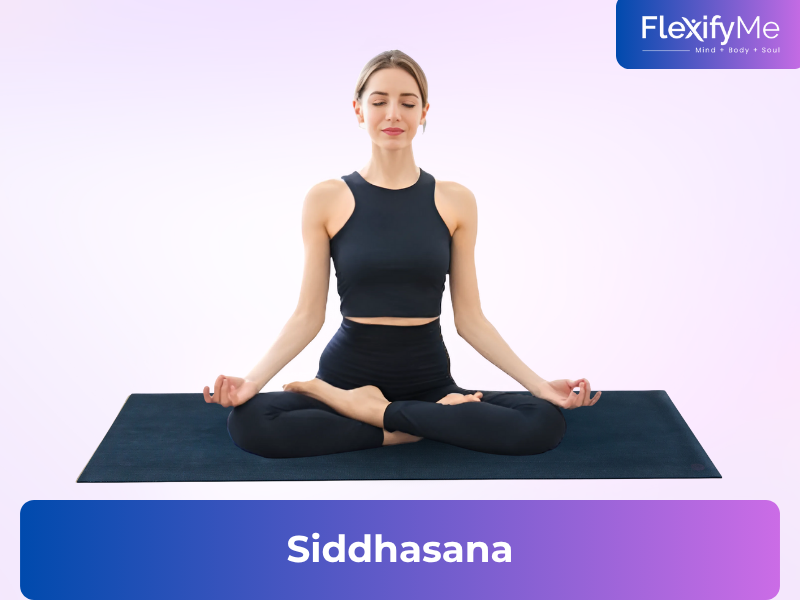
Siddhasana is revered in yogic texts as the “accomplished pose” for meditation and energetic practices. It balances both sides of the body and activates spiritual energy when practised regularly.
Steps to follow:
- Sit with legs extended.
- Bend one leg, bringing the heel close to the perineum.
- Place the other heel above the genitals, aligning both heels.
- Keep both knees grounded and spine tall.
- Place hands on the knees in a comfortable mudra.
Benefits of Siddhasana:
- Traditionally revered for its spiritual significance.
- Believed to help preserve and channel energy during pranayama.
- Calms the nervous system and grounds the body.
- It is traditionally believed to balance the left and right energy channels (ida and pingala).
5. Agnistambhasana (Fire Log Pose)

Agnistambhasana is an intense hip-opening pose. It is excellent for releasing tightness in the outer hips and glutes, especially for those who sit for long hours or practise sports. It demands both flexibility and awareness.
Steps to follow:
- Sit with legs out.
- Bend one knee and stack the shin parallel to the mat.
- Place the other shin directly above, ankle over knee and knee over ankle.
- Flex both feet to protect the knees.
- Sit tall and fold forward gently if comfortable.
Benefits of Agnistambhasana:
- Deeply opens the hips and glutes.
- Stimulates digestion and the abdominal organs.
- Cultivates patience and may release stored emotional tension.
- Prepares the body for seated meditation with more openness.
6. Gomukhasana (Cow Face Pose – Seated Variation)
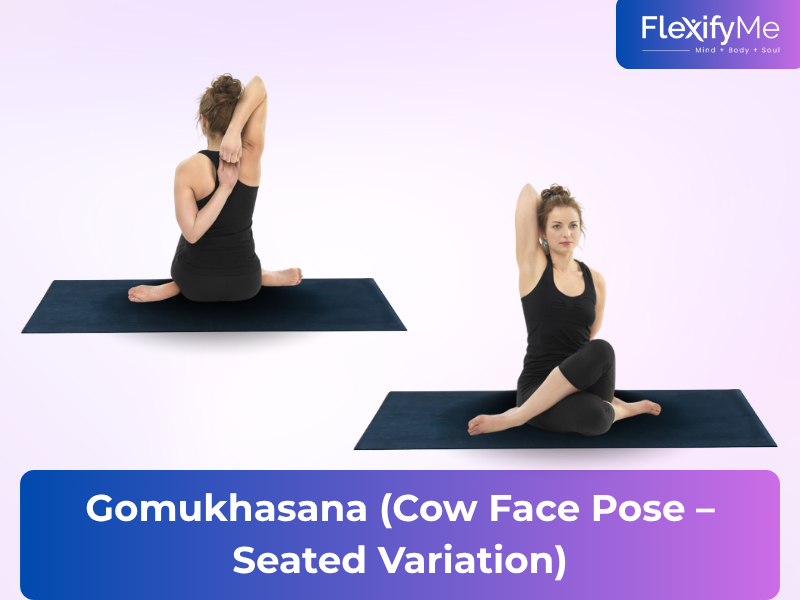
Gomukhasana integrates both upper and lower body flexibility. The seated version opens the hips while the full pose includes shoulder and triceps stretches. It helps restore postural balance.
Steps to follow:
- Sit with legs stretched out.
- Cross the knees and stack them one over the other.
- Bring your feet toward the outer edges of your hips.
- Sit between the heels with both knees aligned.
- Optional: clasp hands behind the back for a full variation.
Benefits of Gomukhasana:
- Opens hips, thighs, and ankles.
- Releases tightness in the shoulders and upper back.
- Encourages spinal alignment and grounding.
- Improves focus by deepening awareness of bodily sensations.
Benefits of Practising the Cross Legged Pose
The Cross Legged Pose offers several physical, mental, and energetic advantages. When practised correctly, it supports posture, reduces stress, and provides a deeper connection to the present moment.
Physical Benefits
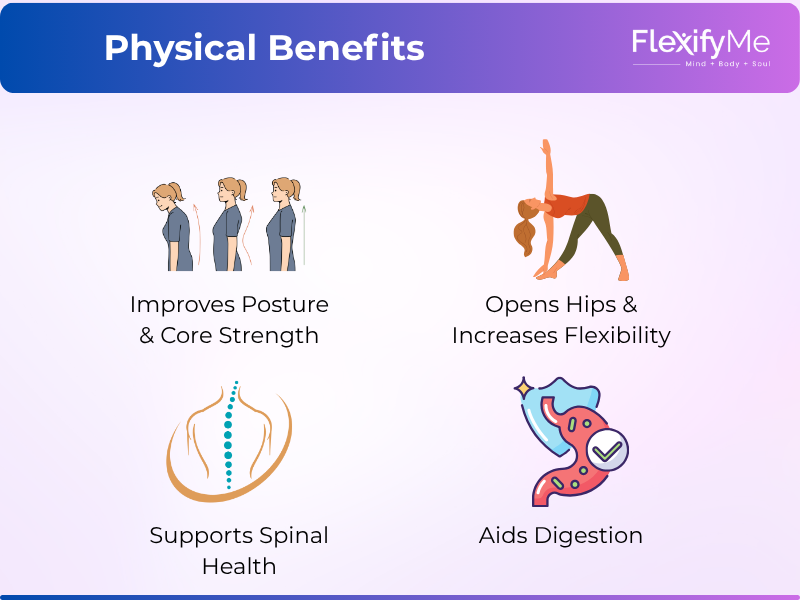
- Improved Posture and Core Engagement: By aligning the spine naturally, the Cross Legged Pose promotes better posture. The abdominal muscles engage to support the spine. This helps reduce tension in the neck and shoulders.
- Opens Hips and Increases Lower Body Flexibility: This seated posture provides a deep yet gentle stretch to the hip joints, thighs, knees, and ankles. With consistent practice, joint mobility improves, and muscular tightness gradually releases.
- Supports Spinal Health: Sitting in the Cross Legged Pose with a straight spine creates decompression, which helps relieve tension in the lower back and distributes body weight evenly across both sitting bones.
- Supports Digestion: Sitting up straight in this position after meals will enhance digestion by reducing abdominal compression and creating space for light, gentle peristalsis.
Mental and Emotional Benefits
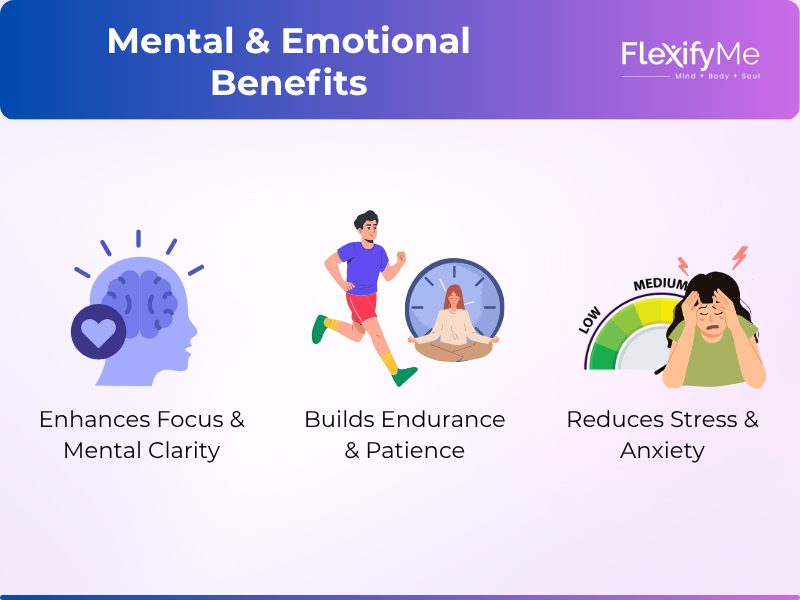
- Improves Focus: Compared to other seated positions, this position supports the mind’s calmness. The Cross Legged Pose is ideal for reducing distractions to physical movement. It also aims to support meditative practices, including improved focus, mental clarity, and present-moment awareness.
- Reduces Anxiety: The crossed leg position, combined with slow, deep breathing, activates the parasympathetic nervous system. This helps deactivate the “fight or flight” response.
- Increases Endurance: Over time, you can develop patience and endurance by staying in this posture. With this posture, there is an opportunity to create attentional length and emotional regulation.
Energetic and Spiritual Benefits
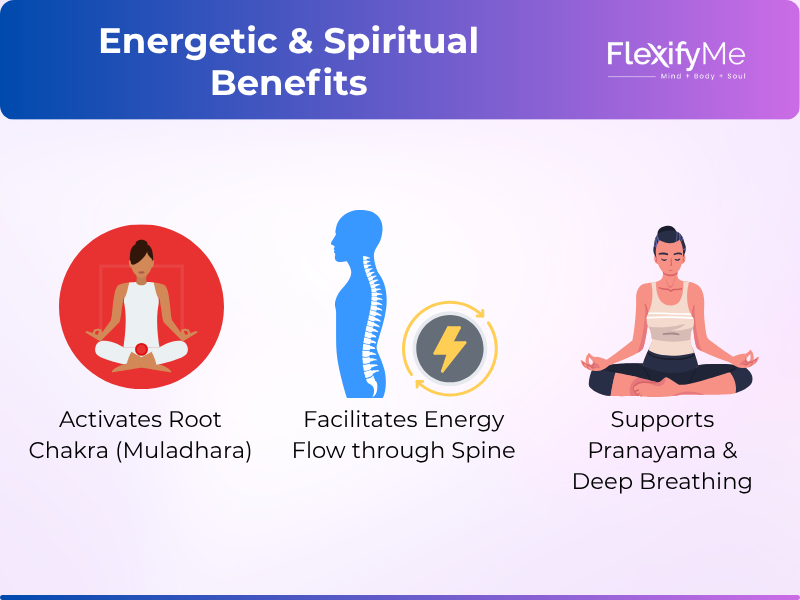
- Accessing Earth’s Energy through the Root Chakra: According to yogic philosophy, when sitting cross-legged, you are enhancing and stimulating the Muladhara (root chakra). This may foster a sense of safety, security, stability, and rootedness.
- Allowing Energy to Rise via the Spine: When you have a straight spine, you can access the sushumna nadi and enter deeper meditative and spiritual experiences.
- Allows Breath Work and Pranayama: The crossed-leg yoga pose grounds the body to stay upright with an open chest and straight spine, allowing deep breathing with the diaphragm.
Common Challenges and Effective Solutions
Practising the Cross Legged Pose comes with some physical and postural challenges, especially for beginners. Addressing these issues early ensures comfort in the pose, allowing you to practise longer.
1. Knee or Hip Pain
Solution: Use cushions under the knees for support. Sit on a higher prop to reduce hip strain. Practice hip-opening yoga poses daily.
2. Numbness or Tingling in Legs
Solution: Do not sit still for long. Uncross your legs and stretch a little. Treat your legs to a gentle massage following your session.
3. Slouching or Curved Spine
Solution: Engage your core lightly and hold the posture upright. Consider sitting near a wall to help maintain a neutral spine. Props might be placed under the sit bones to tilt the pelvis forward.
4. Asymmetric Cross of Legs
Solution: Cross your legs alternatively every time. Use a mirror or have one of your teachers check to ensure you do it symmetrically. Maintain balance in leg stretches on both sides.
Conclusion
Making yourself comfortable on the floor in this cross-legged manner will lead you into meditation. Regardless of any challenges you face with your body, breath, or focus, you can incorporate a simple seated position into your routine. Whether you are meditating, reflecting, or taking a mindful moment, the Cross Legged Pose is a way to come home.
Incorporate it as a habit. Over time, you may discover that peace isn’t something to search for; it is something you are simply sitting with every day.


